
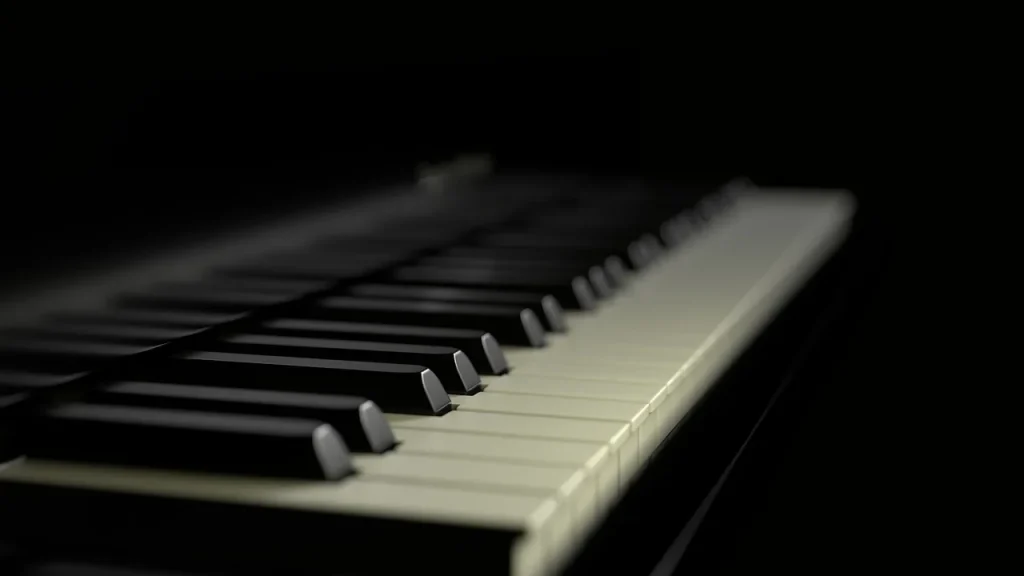
Choosing a keyboard as a beginner requires an understanding of each instrument’s history and sound. The piano, created by Bartolomeo Cristofori around 1700, transformed how musicians could express dynamics in their playing.
The harpsichord reached its peak in the eighteenth century thanks to makers such as the Ruckers family. Its sound is lighter and well suited to Baroque music.
Why does this matter? The mechanism affects the touch, the repertoire and the way you progress. The former offers a wide dynamic range; the latter provides a more delicate palette.
In this article, we examine the mechanisms, repertoires and practical criteria that can guide your learning according to your tastes. For a detailed comparison, read this complete analysis.
Piano or harpsichord: which instrument should you choose?
Despite sharing the same basic playing interface, each keyboard has acquired its own place in music history.
The organ, harpsichord and piano all use keys, but their mechanisms give them unique characteristics. Their history stretches back to antiquity, when hydraulic organs were used in worship.
During the eighteenth century, the harpsichord and piano underwent major technical developments. These changes shaped the musical style of each era.
- Characteristics: touch, range and tonal palette.
- Historical place: the ancient organ, the Baroque harpsichord and the modern piano.
- Musician’s age: your age does not prevent you from choosing the sound you prefer.
For a more in-depth comparison, read this detailed analysis.
| Keyboard | Unique characteristics | Musical style | Historical place |
|---|---|---|---|
| Organ | Wide tonal palette, pipes | Liturgical, Baroque | From antiquity to the present day |
| Harpsichord | Plucked strings, delicate timbre | Baroque music | Eighteenth century (peak) |
| Piano | Struck strings, wide dynamic range | Classical, Romantic, modern | From the eighteenth century to the modern era |
Sound-production mechanisms: struck strings versus plucked strings
The internal mechanism directly determines how the sound is produced and how it responds to the musician’s gestures.
How the piano works
A felt-covered hammer strikes the strings when a key is pressed. The force applied changes the volume.
This action provides a wide range of dynamics. Cristofori invented the mechanism at the beginning of the eighteenth century.
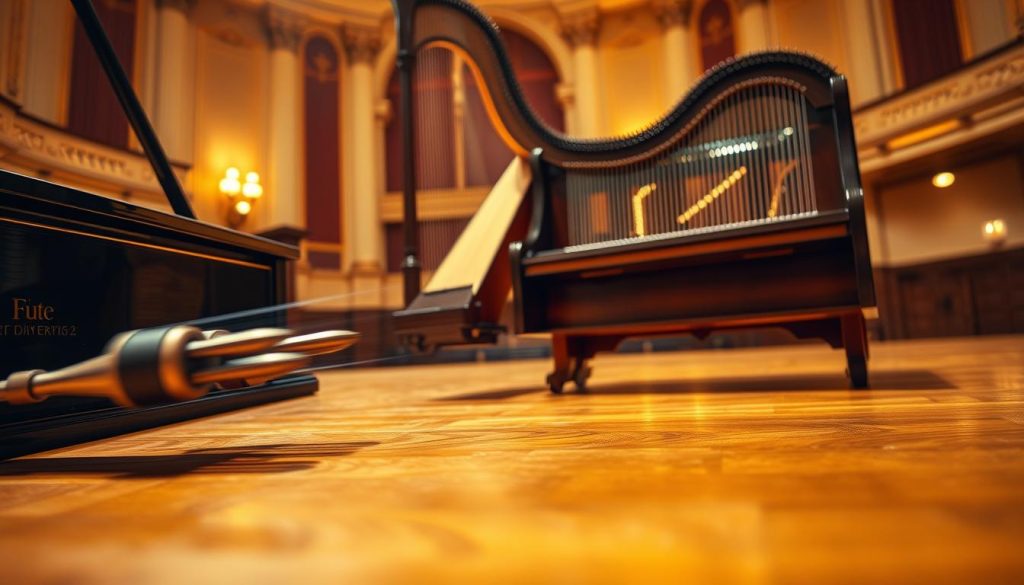
The harpsichord mechanism
The harpsichord uses jacks fitted with quill or leather plectra to pluck the strings.
Its volume remains relatively constant: its dynamics depend mainly on articulation and ornamentation.
- Essential difference: sound is produced by striking or plucking.
- Teaching implications: each keyboard requires appropriate lessons to master its touch and the force used.
- Musical consequences: the former allows greater dynamic expression; the latter emphasizes the precision and clarity prized by eighteenth-century composers.
Differences in touch and expressive dynamics
The touch differs profoundly depending on the mechanism that connects the key to the sound.
On the piano, the force applied activates hammers that strike the strings, providing a wide range of dynamics and direct control over volume.
By contrast, the harpsichord maintains a more constant volume. Its richness comes from ornamentation and articulation, both essential to Baroque music.
Although the organ is not very responsive to pressure, it offers tonal variation through its choice of stops and expression boxes.
- The difference between touch and response guides how musical phrases are articulated.
- Each keyboard has a specific tactile response that influences how resonance is managed.
- The mechanism determines the expressive possibilities and the way composers’ music is played across the centuries.
For practical details about keyboard layouts and the number of keys, read this guide to the number of keys and this comparison with other keyboards covering the choice between keyboards.
Musical repertoires and preferred styles
Repertoires developed around each keyboard, shaping centuries of styles and practices.
Baroque music
Baroque music favors the harpsichord’s bright sound. Couperin and Rameau defined this golden age in the eighteenth century.
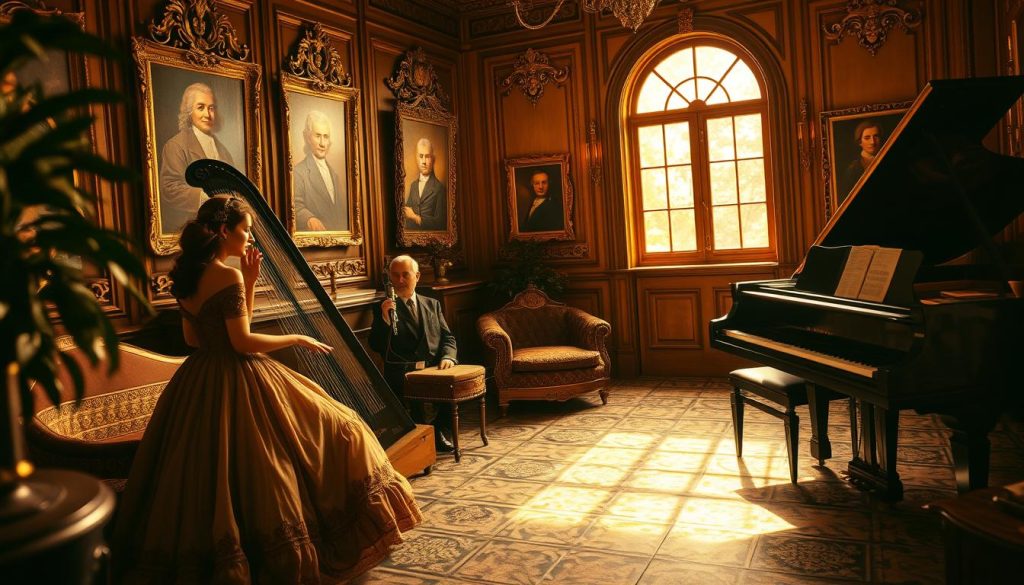
The Classical and Romantic repertoire
The Classical and Romantic repertoire favors the piano because of its struck strings. Mozart and Beethoven exploited its clarity, while Chopin and Liszt later pushed its expressive possibilities further.
The influence of composers
Bach remains essential for organ music and for musicians’ technique. Each composer took advantage of the available mechanism and keys.
- Baroque: clarity, ornamentation and plucked strings.
- Romantic: broad dynamics, power and rubato made possible by the hammers.
- Practical: learning the piano can provide a foundation for other keyboard instruments, including the organ.
“Your choice of style influences the type of instrument on which you will take lessons and practice every day.”
To learn more about the historical role of the Baroque harpsichord, read this article about the Baroque harpsichord.
Practical criteria when starting to learn
The most immediate practical consideration is how much space you can devote to learning.
Size and budget. If space is limited, a digital piano provides a compact solution. It lets you play through headphones and adjust the volume without disturbing your household.
Harpsichords remain uncommon in workshops and schools. Finding lessons or somewhere to practice can therefore be more difficult.
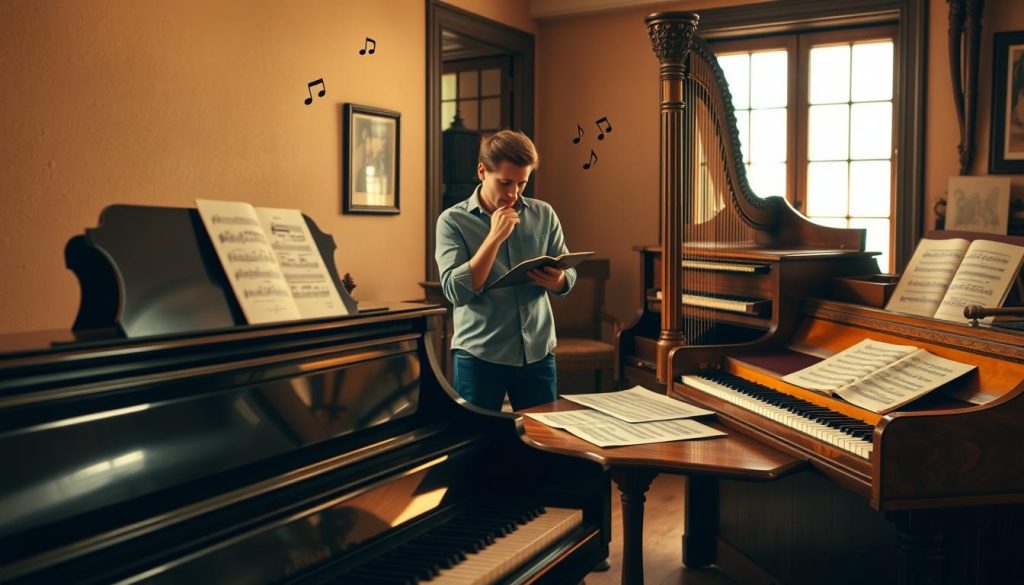
Accessibility and intermediate options
Organs and harpsichords often require a greater investment because of their availability and maintenance needs. Whatever your age, starting on an electronic keyboard can be a practical step before moving to an acoustic model.
The accordion, which combines a keyboard and bellows, requires specific coordination and can be considered separately.
- Digital advantage: compact size and silent practice.
- Harpsichord limitation: rarity and limited access to lessons.
- Beginner solution: an electronic keyboard, followed by a move to an acoustic instrument.
| Criterion | Electronic keyboard | Harpsichord / Organ | Acoustic model |
|---|---|---|---|
| Space required | Low | Variable, often substantial | Substantial |
| Initial budget | Moderate | High (rare) | High |
| Access to lessons | Widely available | Limited | Good, depending on the region |
| Silent practice | Yes (headphones) | No | No |
To help you decide which instrument to choose as a beginner, read this guide comparing the options by space and budget.
Conclusion
The choice often comes down to the tone color and the repertoire you want to explore, and the decision is highly personal.
The piano offers broad expressive possibilities through its hammers striking the strings. It is well suited to Classical music and Romantic composers. The harpsichord emphasizes precision and clarity, making it ideal for eighteenth-century and Baroque music.
Each keyboard offers unique characteristics. Regular practice and an understanding of the mechanism help musicians progress. For practical advice aimed at beginners, read this beginner’s guide and try the option that best serves your playing.