
The piano and synthesizer are two well-known musical instruments. They offer unique sounds and features. This article highlights their differences to help you choose the instrument that perfectly matches your musical tastes and goals.
Whether you are new to music or an experienced musician, choosing between a piano and a synthesizer is crucial. This choice affects your musical education and music composition practice. We will explore the advantages and disadvantages of each instrument. This will help you make the best choice based on your needs and preferences.
Introduction
Choosing between a piano and a synthesizer is crucial for beginners. This article introduces their main differences. You will see how this choice affects your musical journey and creativity.
Overview of the topic
The piano and the synthesizer are very different. Each has its own advantages. Your choice affects your musical style, your expressiveness, and your approach to composition.
Why choosing the right instrument matters
Choosing your instrument is crucial, whether you are a beginner or an experienced player. This article guides you through the important points to consider. You will find useful advice, whether you enjoy classical music or electronic music.
“Choosing an instrument can open the door to new creative possibilities.”
Fundamental differences between a piano and a synthesizer
Musical instruments fall into two broad categories: acoustic instruments and electronic instruments. The piano is an acoustic instrument, while the synthesizer is an electronic instrument. This distinction changes how sound is produced, affecting the characteristics and possibilities of these instruments.
The piano is a traditional acoustic instrument that produces sound through hammers striking metal strings. This gives it a rich, warm tone. The synthesizer, meanwhile, uses electronic circuits and software to produce sounds. It therefore offers a vast sonic palette and allows more extensive manipulation of sound parameters.
| Acoustic instrument (piano) | Electronic instrument (synthesizer) |
|---|---|
| Sound generation through string vibration | Sound generation through electronic circuits and software |
| Rich, warm tone | Broad, adjustable sonic palette |
| Tactile response for the performer | Sound-processing and effects capabilities |
The difference in sound-production technology changes the characteristics and possibilities of these instruments. The choice between a piano and a synthesizer depends on each musician’s needs and preferences.
The piano
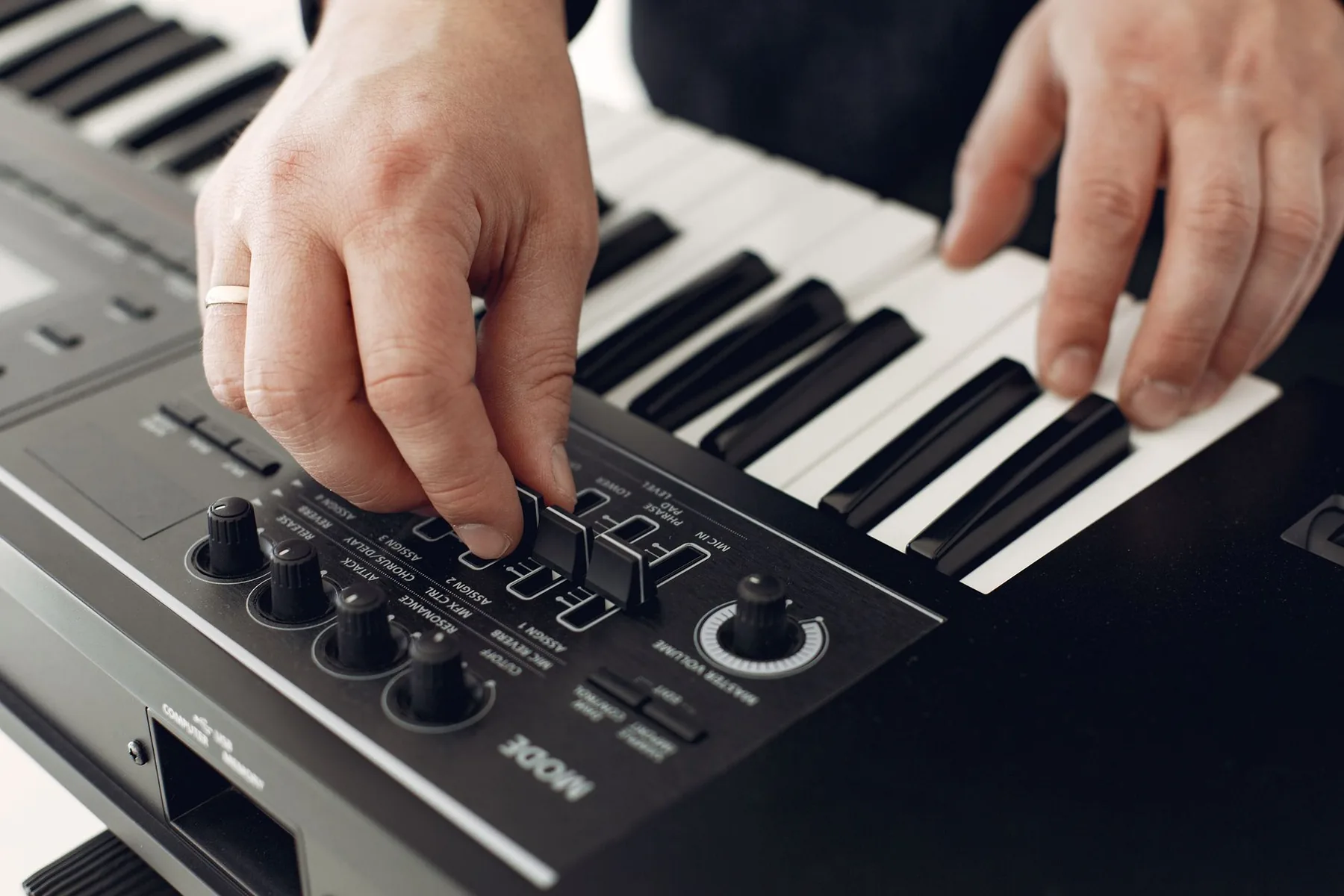
The acoustic piano is an iconic musical instrument. It produces a rich, natural sound through its unique mechanism, which makes metal strings vibrate. Pianists benefit from precise expressive control and piano technique.
Acoustic pianos are divided into upright pianos and grand pianos. Each offers authentic tones that appeal to amateurs and professionals alike.
Operation and mechanism
The piano mechanism is a marvel of engineering. When a key is pressed, a hammer strikes the strings. They then vibrate and produce sound. This interaction creates unique touch sensitivity, allowing the musician to add nuance to their playing.
Authentic tones
Acoustic pianos, whether upright or grand, offer a wide variety of authentic tones. Their rich timbre suits many musical styles, from classical and jazz to rock and pop.
Touch sensitivity
The acoustic piano is known for its touch sensitivity. Its complex mechanism allows the pianist to control the dynamics and expression of their playing. This physical interaction creates a deep connection between the musician and the instrument.
The synthesizer
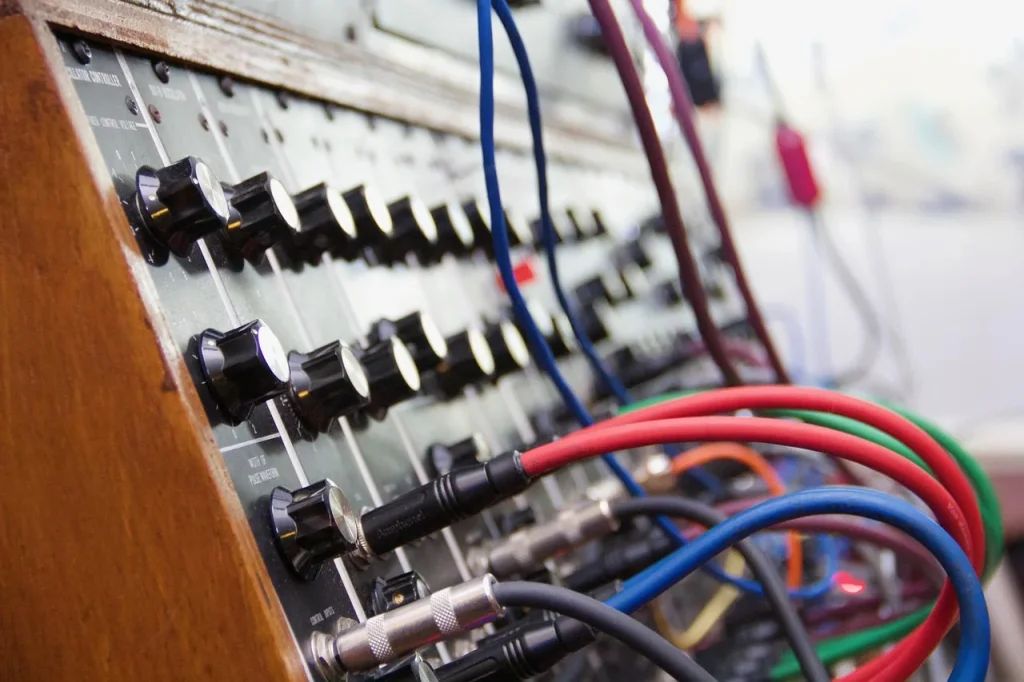
The digital synthesizer is an electronic instrument that offers a wide variety of electronic sounds. Since its invention in the 1960s, it has transformed contemporary music. Artists can now explore new forms of creativity and versatility.
Unlike the piano, which uses strings, the synthesizer creates sounds electronically. This technology gives musicians the freedom to modify sounds, allowing them to create a unique sonic signature.
- The first Moog synthesizer was released in 1964 and has evolved ever since, moving from analog to digital technology.
- Wendy Carlos’s 1968 album “Switched-On Bach” helped popularize the synthesizer in contemporary music.
- Digital synthesizers are more flexible, affordable, and accessible to beginners while retaining the sound quality of analog models.
Synthesizers offer numerous control parameters. They allow musicians to create unique sounds, ranging from imitations of acoustic instruments to futuristic tones. This tool has become essential in contemporary music.
| Characteristics | Synthesizer | Acoustic piano |
|---|---|---|
| Sound-production technology | Electronic generation | String vibration |
| Sonic palette | Very broad | Limited to acoustic sounds |
| Sound-manipulation features | Numerous control parameters | Few modification options |
| Versatility | Very high | Limited to traditional styles |
| Ease of transport | Portable and lightweight | Bulky and heavy |
“The synthesizer opened up new creative possibilities, pushing the boundaries of traditional music.”
The synthesizer’s versatility and creativity
The synthesizer stands out for its versatility and creativity. It offers a broad sonic palette. This allows musicians to play in many styles and create a variety of timbres, from the simplest to the most complex.
Broad sonic palette
The first synthesizer was created by Robert Moog in 1964. It transformed popular music. The Beatles and Wendy Carlos were among the first to use it in rock and classical music.
The analog synthesizers of the 1960s are known for their powerful bass sounds. More recent digital synthesizers offer a wide variety of sounds. The synthesizer is essential in today’s music.
Effects and manipulation
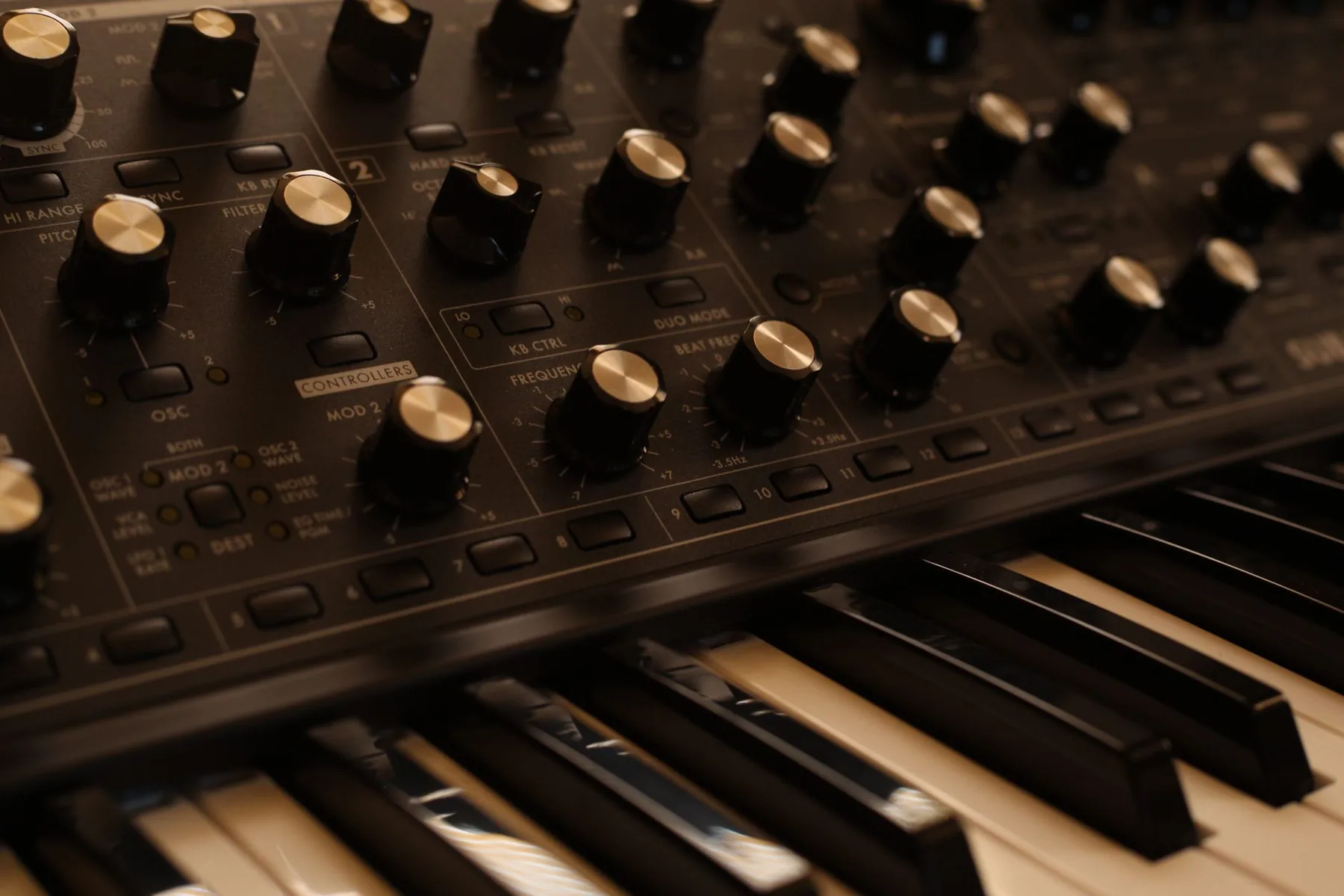
The synthesizer also stands out for its modulation tools and sound effects. These tools make it possible to create unique textures. They help musicians find their sonic signature and express their creativity more fully.
It is perfect for electronic music and for enriching acoustic arrangements. The synthesizer inspires artists. It allows them to bring their boldest musical visions to life.
Piano or synthesizer: which instrument should you choose?
When choosing a musical instrument, the decision often comes down to a piano or a synthesizer. Each has advantages. Your choice depends on your tastes, musical styles, goals, and way of learning music.
The piano is perfect for people seeking authentic tones. It offers unique touch sensitivity. With an acoustic piano, you can add nuance to your playing and benefit from a versatile musical education.
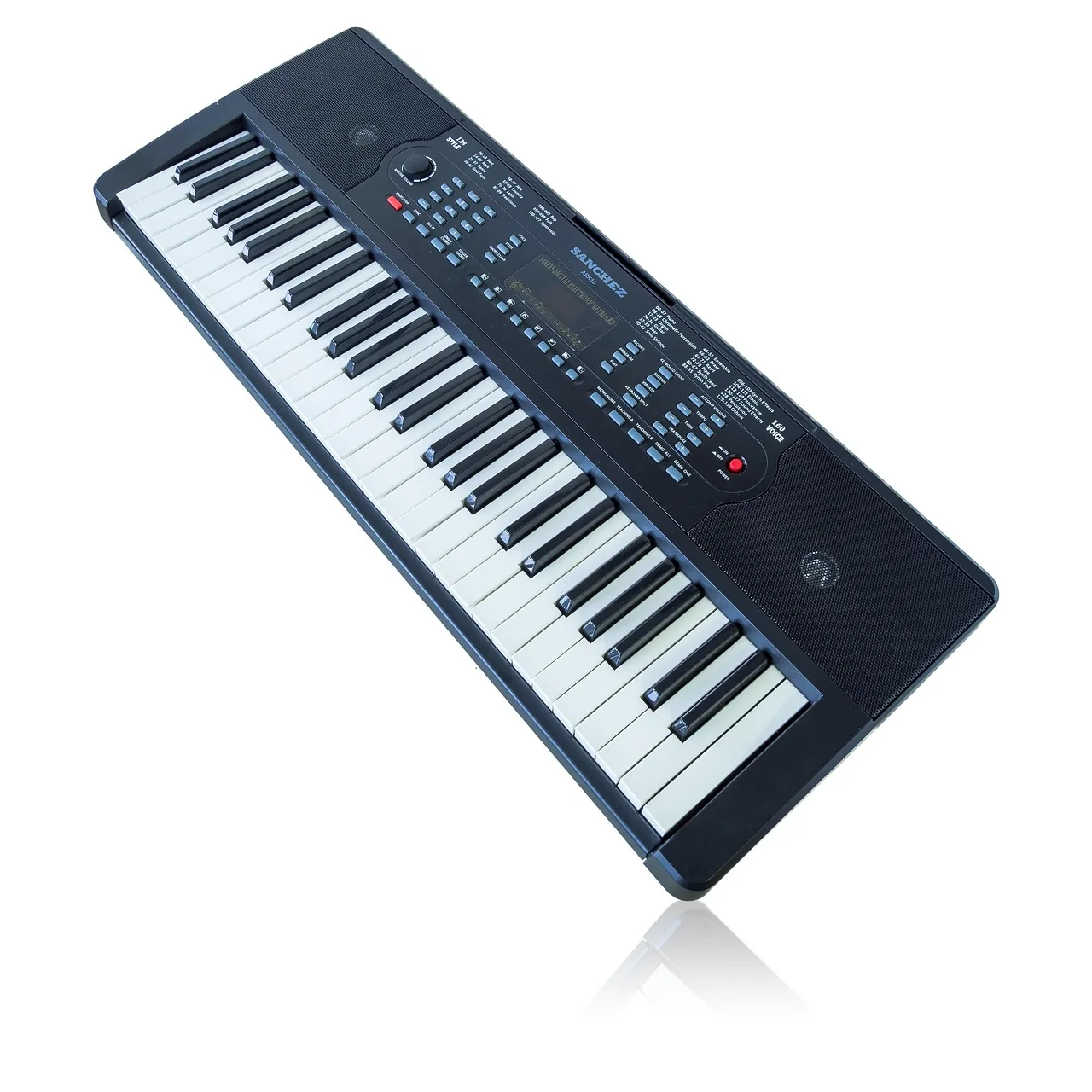
The synthesizer, meanwhile, is ideal for electronic creativity. It lets you explore a variety of sounds and musical styles. Its many effects and sound-manipulation options make it particularly fascinating.
| Digital piano | Synthesizer |
|---|---|
| Authentic piano tones | Variety of sounds and musical styles |
| Touch sensitivity and nuanced playing | Electronic creativity and effects |
| Versatile piano education | Musical exploration and experimentation |
The choice between a piano and a synthesizer depends on your preferences and goals. You can even try both. Each instrument has its strengths and can enrich your musical journey.
“Choosing an instrument is a highly personal decision that should reflect your aspirations and musical style.”
Additional advice and considerations
Choosing between a piano and a synthesizer depends on your budget and investment. Acoustic pianos are more expensive but can be worthwhile long-term investments. Synthesizers cost less and are easy to transport.
Budget and investment
A beginner should start with a synthesizer keyboard costing between 300 and 500 euros. For a strong start, a budget of 1,000 euros will buy a quality keyboard. Make sure it has at least five octaves so you can play music with both hands.
Digital pianos are more affordable than acoustic pianos. They are ideal for beginners with limited funds. However, acoustic pianos offer an authentic tone and a natural playing feel that justify a larger investment.
Portability and mobility
Keyboards are more portable and compact than pianos. This is an advantage if you frequently need to transport your instrument or play in different locations.
Consider your need for portability and mobility when choosing between a piano and a synthesizer.
“Keyboards offer portability and compactness that pianos do not.”
Conclusion
The choice between a piano and a synthesizer depends on your tastes, musical style, and artistic goals. The piano offers authentic tones, while the synthesizer provides a broader sonic palette. Think about your needs and musical aspirations when choosing the ideal instrument.
The music teachers at ICM are ready to help you make this decision. They will guide you on your musical journey.
If you are a beginner, consider renting a piano or synthesizer. This lets you try it before buying it. You can then choose the instrument that best suits your level and goals.
Ultimately, your choice of instrument should be personal. You should consider your preferences, budget, and musical goals. With our advice, you will find the ideal instrument for your musical journey.
FAQ
What are the main differences between a piano and a synthesizer?
What are the advantages of an acoustic piano?
What are the advantages of a synthesizer?
Which instrument is best suited to my musical preferences?
What factors should I consider when choosing between a piano and a synthesizer?
Source links
- https://pianoranked.com/digital-piano-vs-acoustic-piano/
- https://1st-note.com/en/guides/digital-piano-vs-acoustic-piano/
- https://eastorlandoschoolofmusic.com/instrument-guides/piano-keyboard-purchase-guide/
- https://pianoforall.com/beginner-keyboard-setup
- https://pianoreport.com/digital-keyboard-vs-digital-piano-vs-synthesizers/
- https://pianoranked.com/digital-piano-vs-acoustic-piano/
- https://hub.yamaha.com/wp-content/uploads/2026/04/how-to-choose-a-digital-keyboard-final.pdf
- https://www.flowkey.com/en/piano-guide/choose-piano
- https://eastorlandoschoolofmusic.com/instrument-guides/piano-keyboard-purchase-guide/
- https://peggyrostron.com/pdf/acoustic-vs-digital-piano.pdf
- https://pianoreport.com/digital-keyboard-vs-digital-piano-vs-synthesizers/
- https://www.tonestro.com/blog/piano/best-piano-keyboard-for-beginners/
- https://pianoranked.com/digital-piano-vs-acoustic-piano/
- https://hub.yamaha.com/wp-content/uploads/2026/04/how-to-choose-a-digital-keyboard-final.pdf
- https://www.flowkey.com/en/piano-guide/choose-piano