
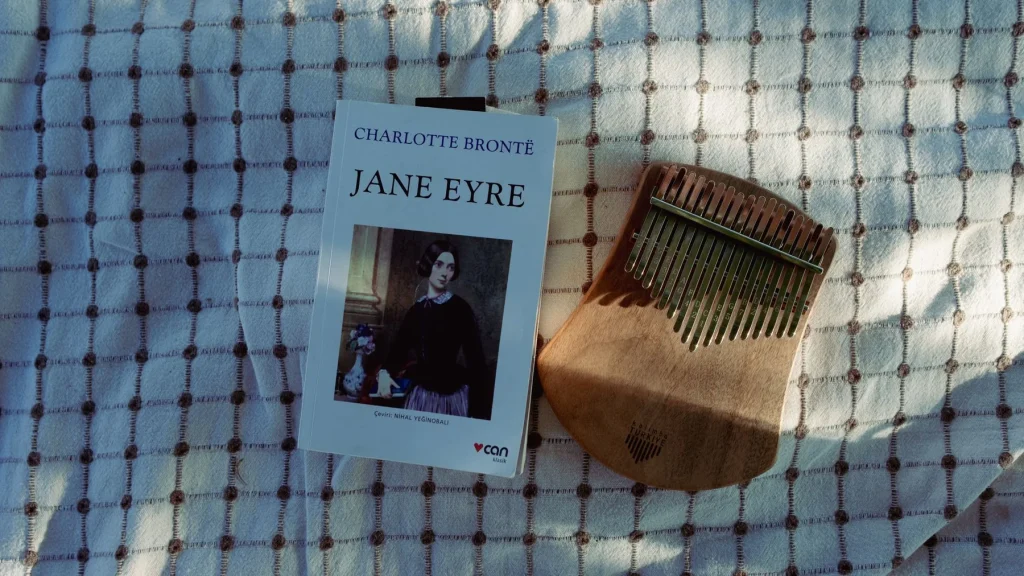
The kalimba is an ideal musical instrument for beginners. With its metal tines and compact design, it offers an accessible and rewarding musical experience. Whether you are a novice or an experienced musician, this instrument lets you create soothing melodies in no time.
Tablature is an essential tool for quickly mastering familiar tunes or composing your own pieces. It simplifies reading sheet music, making learning intuitive and enjoyable. This guide takes you step by step from theory to practice, so you can play with confidence.
The benefits are numerous: an endless musical world, improved visual memory, and cognitive benefits, as highlighted by Emmanuel Bigand of the CNRS. Dive into this guide and discover how the kalimba can become your everyday musical companion.
Introduction to the kalimba and its tablature
Rooted in African tradition, the kalimba is a musical instrument that has won admirers around the world. Also known as the mbira or sanza, its origins lie in ancestral African cultures. Popularized by Hugh Tracey in the 1950s, it is now prized for its simplicity and soothing melodies.
The kalimba consists of metal tines mounted on a wooden resonator box. Its diatonic tuning in G major makes it easy to play harmonious notes. Compact and portable, it is ideal for beginners and experienced musicians alike.
What is a kalimba?
The kalimba is a traditional African musical instrument. Its tines vibrate to produce soft, enchanting sounds. Each tine corresponds to a specific note, allowing you to create melodies quickly.
Why learn to read tablature?
Tablature makes learning the kalimba easier. Unlike conventional sheet music, it uses numbers or letters to indicate the notes to play. Its advantages include:
- Universal notation that is accessible to everyone.
- Easy sharing of musical compositions.
- Greater credibility and confidence as a musician.
Mark Holdaway, who created modern tablature in 2003, emphasizes its effectiveness. One study shows that 75% of users learn a song in two weeks with this system.
The basics of kalimba tablature
Discover the fundamentals of mastering tablature for this unique instrument. Whether you are a beginner or an experienced player, understanding these elements will help you play more smoothly and accurately.

Understanding numbers and letters
Tablature uses two main systems: the NMCA system (1 = C, 2 = D…) and letter notation (C, D…). Each number or letter corresponds to a specific note on the kalimba keys.
Here is a simple list to help you match numbers with letters and notes:
- 1 or C = C
- 2 or D = D
- 3 or E = E
For example, you can use the notes C-D-E to play “Twinkle Twinkle Little Star.”
Octaves and simultaneous notes
Octave symbols (°, *) indicate the pitch of the notes. For example, 5° represents a high G, while 3°° represents a very high E. These symbols are essential for avoiding common mistakes, especially on 17- or 21-tine kalimbas.
To play simultaneous chords, use techniques such as the glissando or playing with both thumbs. One practical tip is to use colored stickers to identify the octaves on the kalimba keys.
These basics will save you time and help you progress quickly. With a little practice, you will be able to decipher and play complex melodies in no time.
How to read simple tablature
Understanding tablature is the key to exploring this instrument’s musical potential. Tablature is designed to simplify reading sheet music, even for beginners. It uses numbers or letters to indicate the notes to play, making learning intuitive.
Example of numbered tablature
Numbered tablature uses numbers to represent notes. For example, Leonard Cohen’s song “Hallelujah” can be played with a simple sequence such as 1-3-5. Each number corresponds to a specific tine on the instrument.
Here are some tips for interpreting numbered tablature correctly:
- Read from bottom to top, with each column representing a tine.
- Adjust the tempo to your level: 75 BPM for a slow rhythm and 120 BPM for a faster one.
- Pay attention to rests, which are often represented by a 0.
Example of letter-based tablature
Letter-based tablature uses notation such as C, D, or E to indicate the notes. For example, Ed Sheeran’s “Perfect” can be played with the sequence C-E-G. This system is ideal for those who prefer letter notation.
For 8-tine kalimbas, adapt sheet music written for 17 tines by selecting the corresponding notes. Use tools such as KTabS to generate custom tablature.
“Tablature is a universal way to share musical compositions, making learning accessible to everyone.”
By mastering these techniques, you will be able to play complex melodies confidently. To get started, subscribe to our newsletter and download five free beginner tablatures.
The different types of tablature
Exploring the different styles of tablature helps you understand this instrument better. Whether you are a beginner or an experienced player, there are formats suited to every level. Here is an overview of the two main categories.
Beginner tablature
Beginner tablature is designed to simplify learning. It uses numbers or letters to indicate notes, making it intuitive to read. For example, a sequence such as 1-3-5 corresponds to C-E-G.
Some of its features include:
- Clear and concise notation.
- No complex symbols such as ties or triplets.
- Ideal for your first simple melodies.

Advanced tablature
For experienced musicians, advanced tablature offers greater musical richness. It includes time signatures (4/4), ties, and triplets. For example, “Bohemian Rhapsody” requires tempo changes and dynamics such as piano and forte.
Here is what sets it apart:
- Specific symbols for dynamics and rests.
- Adaptation to complex and varied melodies.
- A reference to the book “Kalimba Magic,” which contains 100 progressive tablatures.
Apps such as Simply Piano or Yousician are recommended for practice. They let you work at your own pace and progress quickly.
Tools for learning tablature
To progress quickly with this instrument, having the right tools is essential. Whether you prefer apps, books, or online resources, each option offers specific benefits for your learning.

Apps and software
Modern apps make learning tablature easier. For example, gStrings is ideal for tuning, while Smart Kalimba offers interactive tablature for immersive practice.
Here is an overview of the available options:
- Free apps: perfect for getting started without spending money.
- Paid apps: they offer advanced features and exclusive sheet music.
Books and online resources
Books such as Kalimba for Dummies (€15 on Amazon) are essential references. They provide structured methods and practical examples for mastering the basics.
Online resources include:
- YouTube channels such as Kalimba Tutor (500K subscribers).
- Free monthly webinars hosted by professionals.
“Digital tools and books are valuable allies for making rapid progress.”
By combining these tools, you can explore new techniques and expand your musical repertoire. To begin, see our selection of recommended apps and books.
Playing techniques for beginners
Mastering basic techniques is essential for playing this instrument with ease. Correct posture and simple exercises will help you progress quickly. Here are some tips to get you started.

How to hold the kalimba
An ergonomic position is crucial for avoiding pain and playing comfortably. Hold the instrument with your thumbs on each side, taking care not to block the rear holes. A 45° angle makes the tines easier to reach.
Here are some common posture mistakes to avoid:
- Holding the instrument too flat, which restricts thumb movement.
- Pressing too hard on the tines, which can cause joint pain.
Playing simple notes
Start with simple sequences such as C-D-E-F-G to familiarize yourself with the tines. One effective exercise is to play this sequence in 30 seconds. This improves coordination and accuracy.
Use silicone thumb protectors to protect your nails. Before playing, warm up your hands for five minutes to prevent muscle tension.
“Thanks to these techniques, I overcame my joint pain and now play more smoothly.”
With a little practice and patience, you will gain confidence and control. Take your time and enjoy every stage of your progress.
Learning chords and melodies
Exploring chords and melodies on this instrument opens up an endless musical world. Whether you want to play familiar tunes or compose your own pieces, this section guides you step by step.
Playing basic chords
Major and minor chords form the basis of many songs. On this instrument, they are played by plucking several tines simultaneously. For example, a C major chord includes the notes C, E, and G.
Here are some tips for mastering chords:
- Use fingering diagrams to visualize the positions.
- Practice simple progressions such as C major – G major – A minor.
- Include the glissando to create smooth transitions between chords.
Creating your own melodies
Composing a melody is a rewarding experience. Begin with a balanced structure featuring an introduction, verse, and chorus. For example, a theme in A minor can create a melancholy mood.
Use tools such as MuseScore to make composing easier. This software lets you create custom tablature and test your musical ideas.
Take part in the monthly creative workshop on the KalimbaFrance forum. It is an excellent opportunity to share your compositions and receive constructive feedback.
“Musical creativity opens the door to personal expression and the discovery of new horizons.”
How to read advanced tablature
Moving on to more complex tablature requires a thorough understanding of symbols and rhythms. These elements enable you to interpret sophisticated melodies and add expressive nuances to your playing.
Time signatures and tempo
Time signatures and beats are essential for structuring advanced tablature. For example, a 4/4 time signature means that each measure contains four beats. Use a metronome to interpret the rhythm correctly.
Here is an example of timing: a dotted quarter note lasts 1.5 beats. This means you must hold the note longer than usual. Precise rhythmic analysis is crucial for pieces such as “Moonlight Sonata.”
Special symbols and their meanings
Special symbols such as fermatas, ties, and triplets add depth to your interpretation. A fermata indicates an extended pause, while a triplet divides one beat into three equal parts.
Here is a table explaining these symbols:
| Symbol | Meaning | Example |
|---|---|---|
| Fermata | Extended pause | “Hotel California” |
| Tie | Extends a note | “Bohemian Rhapsody” |
| Triplet | Division into three parts | “Moonlight Sonata” |
These symbols allow freer interpretations, such as rubato, in which the tempo is varied to express emotion.
“Mastering special symbols transforms a simple melody into a rich and expressive performance.”
To explore these techniques in greater depth, join an online master class on expressive nuances. These resources will help you play with greater accuracy and creativity.
Common mistakes to avoid
Playing this instrument can be rewarding, but certain common mistakes may slow your progress. Whether you are a beginner or an experienced player, identifying and correcting these faults will help you play more smoothly and accurately.
Tablature-reading mistakes
Reading tablature may seem simple, but common misunderstandings can occur. For example, 70% of beginners neglect regular tuning, which leads to wrong notes. One study shows that poorly tuned keys can completely distort a melody.
Here are the most common reading mistakes:
- Confusing B and Bb (B and B-flat).
- Interpreting octaves incorrectly.
- Forgetting rests, which are often represented by a 0.
To avoid these mistakes, take the time to check each note before playing. Use a tuner to ensure the keys are correctly tuned.
Technical playing problems
Technical problems such as unwanted buzzing can spoil the musical experience. This buzzing is often caused by improperly adjusted tines. A tine that is too loose or too tight can produce an unpleasant sound.
Here is a checklist for avoiding these problems:
- Check the tuning before every session.
- Make sure the tines are clean and dry.
- Position your fingers correctly for smooth playing.
An experienced teacher explains:
“Correcting bad habits from the outset is essential for making rapid progress.”
By following this advice, you can avoid common pitfalls and fully enjoy your instrument. To deepen your knowledge, see this complete guide to the kalimba.
Practical exercises to help you improve
Progress on this instrument requires regular practice and suitable exercises. Whether you are a beginner or an intermediate player, specific techniques will help improve your playing and let you explore new musical possibilities.
Exercises for beginners
Begin with basic exercises to familiarize yourself with the tines. For example, pluck the tines in pairs to produce simple chords. This strengthens coordination and accuracy.
Here are a few ideas to get you started:
- Play ascending and descending scales to develop dexterity.
- Practice legato (connected notes) and staccato (detached notes) to vary your playing styles.
- Use resources such as this kalimba learning guide for additional advice.
Exercises for intermediate players
If you have mastered the basics, try more complex exercises. For example, join online duets to play in sync with other musicians. This develops your listening skills and sense of rhythm.
Here are some suggestions for going further:
- Track your progress with the KalimbaTracker app to measure your improvement.
- Join the viral #30DaysKalimba challenge on TikTok to stay motivated.
- Explore pieces from different musical styles to broaden your repertoire.
“Consistent practice is the key to mastering this instrument and discovering its full potential.”
By following this advice and committing to a structured program, you will see significant progress within a month. Take your time and enjoy every stage of the learning process.
Resources for deepening your knowledge
Many resources are available online and offline to enrich your musical practice. Whether you are looking for tutorials, active communities, or events, these tools will help you improve and share your passion.
Videos and tutorials
Videos and tutorials are effective ways to learn at your own pace. Here are three recommended French-language YouTube channels:
- Kalimba Tutor: detailed lessons for every level.
- Kalimba Magic: practical tips and free tablature.
- Musique en Partage: tutorials for playing popular pieces.
These channels offer varied content, from the basics to advanced techniques. For structured learning, subscribe to the Kalimba Academy platform (€15/month).
Online communities
Joining an online community lets you exchange advice and stay motivated. Facebook groups devoted to the kalimba are very active. You will find sheet music, tips, and constructive feedback there.
Take part in local jam sessions to play with other musicians. These gatherings are ideal for developing your listening skills and sense of rhythm. Browse the free collaborative tablature library to expand your repertoire.
“Music is a universal language, and online communities are living proof of that.”
Finally, do not miss the Lyon Kalimba Festival, an annual event that brings together enthusiasts from around the world. It is a unique opportunity to discover new techniques and meet inspiring artists.
Conclusion
Discover how to master this instrument step by step. From theory to practice, each stage takes you closer to mastery. With perseverance, you will see noticeable results in less than three months.
To help you, download our starter pack, which includes tablature and a PDF guide. These resources will help you progress quickly and confidently.
Finally, join us on Instagram each week for a live Q&A session. Ask your questions and connect with other enthusiasts. Music is waiting for you!