
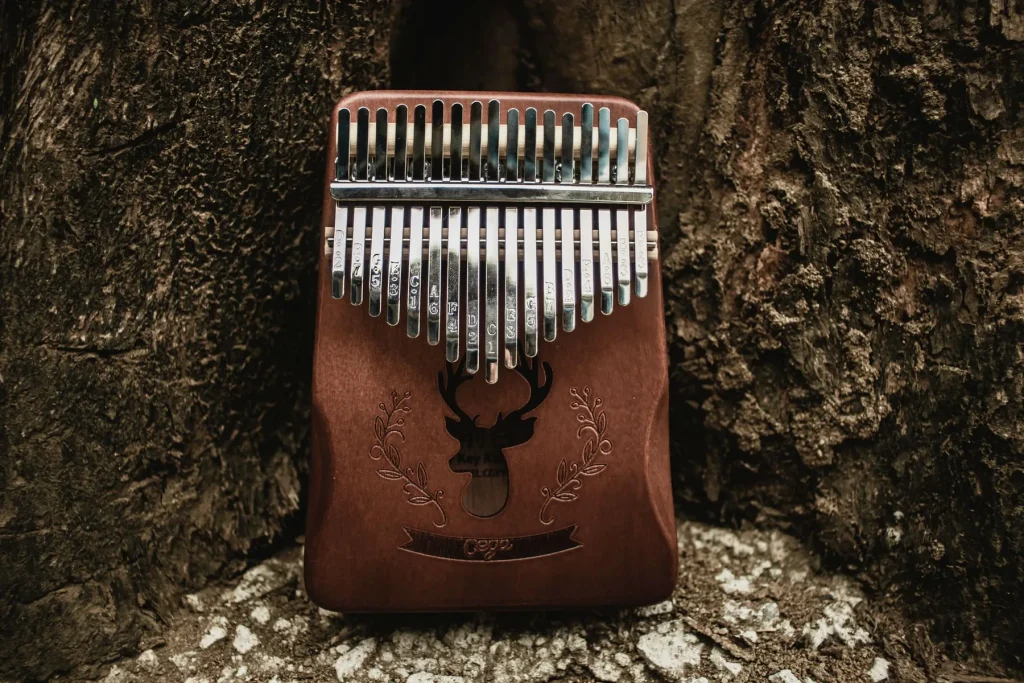
The kalimba, often called a thumb piano, is an ancient musical instrument originating in Africa. Prized for its enchanting melodies, it stands out for the variety of materials used in its construction.
The choice of material plays a crucial role in the quality of this instrument. Whether in terms of sound or appearance, the selected type of wood directly influences the musical experience.
This guide will help you identify the ideal wood species for your needs. We will discuss essential criteria such as density, resonance, and durability while exploring the specific qualities of the most popular woods.
Introduction to the kalimba and the importance of choosing the right wood
Rooted in African tradition, the kalimba has become a popular musical instrument around the world. This small thumb piano, descended from the mbira, captivates players with its simplicity and rich sound. Its evolution into a global instrument demonstrates its universal appeal.
The choice of material, particularly the wood, plays a central role in the quality of this instrument. The wooden sound box amplifies the vibrations of the tines, creating a unique tone. Each wood species contributes its own acoustic signature, influencing the warmth and clarity of the notes.
Musicians often favor wooden models, which account for nearly 75% of sales. This preference can be explained by the durability and attractive appearance of the material. Moreover, the wood species can suit various musical styles, whether traditional compositions, sound therapy, or modern creations.
In short, wood is much more than a simple construction material. It lies at the heart of the musical experience, offering a unique combination of tone, feel, and longevity. Choosing the right wood for your kalimba is therefore essential to fully enjoy this instrument.
Essential characteristics of wood for a kalimba
Density and resonance are key criteria when selecting the right wood. These two factors directly influence the instrument’s sound quality. A dense wood such as mahogany provides prolonged resonance, making it ideal for deep, warm notes.

Wood density is often measured using the Janka hardness scale. Acacia, for example, has a rating of 2,300 lbf and is renowned for its strength. This density allows vibrations to travel more efficiently, improving note clarity.
Density and resonance
The relationship between density and resonance is crucial. Dense woods such as mahogany extend bass sustain, providing a rich musical experience. By contrast, less dense woods such as pine produce a lighter but less enduring sound.
Maple, with a moderate density of 610 kg/m³, provides an excellent compromise. It combines clear treble with balanced resonance, making it suitable for various musical styles.
Durability and appearance
Durability is another essential consideration. Some woods, such as walnut, withstand moisture well, while others, such as pine, are more prone to cracking. Choosing a durable material helps ensure that the instrument lasts longer.
Appearance also plays an important role. Acacia’s grain, mahogany’s reddish hue, and maple’s patterns add a unique visual touch. These characteristics make every kalimba one of a kind.
To care for these woods, monthly oiling is recommended for porous species, while dense woods require specialized waxes. This maintenance preserves both the instrument’s beauty and performance.
Mahogany: a classic choice for a warm, deep sound
Mahogany is a prized wood species known for its rich tone and elegant appearance. Native to the tropical forests of Africa and South America, this wood is often used in the construction of musical instruments, particularly high-end kalimbas.
Characteristics of mahogany
With an average density of 640 kg/m³, mahogany offers a perfect balance between strength and lightness. Its slow growth and tight grain make it a durable material that is naturally resistant to insects. These properties make it an ideal choice for sound boxes.
In addition to its strength, mahogany is prized for its reddish color and distinctive grain. These characteristics add a unique visual touch to every instrument.
Impact on sound
Mahogany is renowned for its deep bass and exceptional sustain, which can last up to four seconds. This prolonged resonance is perfect for covering soundtracks such as those from Game of Thrones.
However, this wood is sensitive to changes in humidity and therefore requires regular care. Its price, approximately 30% higher than that of acacia, may also deter some musicians.
| Model | Brand | Characteristics |
|---|---|---|
| Hugh Tracey Alto | South Africa | 21 tines, warm and deep sound |
| LingTing K21MAP | China | Elegant design, exceptional sustain |
Acacia: durability and a clear tone
Native to Australia and New Zealand, acacia is a wood valued for its durability and tonal clarity. With a density of 770 kg/m³, it is denser than mahogany, making it a strong material for musical instruments.

This wood is often used to make mid-range kalimbas, such as the 17-tine Aklot model. Its lingering woody scent and resistance to impact make it a popular choice among musicians.
Origins and characteristics
Acacia is known for its dimensional stability, which is ideal for woodturning and the construction of instruments. Its high density allows vibrations to travel more efficiently, improving sound volume and note clarity.
Moreover, this wood requires little maintenance, making it a practical option for beginners and experienced musicians alike.
The sound of acacia
Acacia produces a bright attack, perfect for fingerpicking techniques and rapid arpeggios. However, its midrange is less pronounced than walnut’s, and its reverberation is shorter.
Compared with maple, acacia offers 15% more sound volume, but its sustain is 20% shorter than that of mahogany.
In summary, acacia is an excellent choice for those seeking a clearer sound and greater durability, although it has some limitations in terms of resonance.
Walnut: elegance and a complex tone
Walnut, native to North America, is a noble wood often used to make high-end musical instruments. With a density of 630 kg/m³, it offers balanced resonance and exceptional durability. This material is particularly prized for outstanding kalimbas, such as the Bolf 34-tine model made from solid walnut.

Characteristics of walnut
Walnut stands out for its contrasting grain and the way aging improves its resonance. This wood is also compatible with piezo pickups, making it a preferred choice for professional recordings. However, its substantial weight of more than 800 g and its sensitivity to moisture mean that a humidified case is required for optimal storage.
Impact on sound
Walnut’s acoustic signature is rich in harmonics and ideal for jazz and improvisation. Its balanced response across four octaves gives it great musical versatility. Paired with hardened steel tines, this wood maximizes sustain, producing prolonged, deep notes.
To maximize the sound effects, experts recommend pairing walnut with hardened steel tines.
| Model | Characteristics | Price |
|---|---|---|
| Bolf 34-tine | Solid walnut, 4 octaves | €250 |
| Gecko K34N | Laminated walnut, piezo pickup | €180 |
Maple: clear sound and delicate appearance
Known for its refinement and versatility, maple is a popular choice for kalimbas. Native to Canada and the United States, this wood is valued for its moderate density of 620 kg/m³ and its commonly used satin finish. These characteristics make it an ideal material for instruments that are both attractive and high-performing.

Origins and characteristics
Maple is often used for resonance boxes because of its stability and workability. Its fine texture and subtle grain allow for customized finishes, such as the ice blue offered by Thomann. These options add a unique touch to every instrument.
The flagship model, the Donner DEK-2, has 21 tines and side holes for producing wah-wah effects. This innovative design makes it a popular choice among musicians seeking both style and functionality.
The sound of maple
Maple offers a precise attack, making it ideal for technical solos. Its excellent treble projection makes it perfect for recording. However, its bass resonance is only moderate, which may limit its use for certain musical styles.
One weakness of this wood is its susceptibility to scratches. To maximize its longevity, maple is best paired with a lower number of tines, such as 17, to achieve a balance between weight and expressiveness.
Conclusion: which wood should you choose for a quality kalimba?
Choosing the right wood species for your instrument is crucial to enjoying an optimal musical experience. Each type of material offers unique characteristics, whether it is the warmth of mahogany, the clarity of maple, or the strength of acacia.
For beginners, acacia is an excellent choice because of its durability and clear sound. Experts may prefer walnut for its tonal complexity and elegance. The number of tines also plays an important role, with at least 17 recommended for greater versatility.
Finally, choose FSC-certified brands for an ethical and environmentally responsible purchase. A guide to caring for models made from exotic woods will be available soon for those wishing to learn more.