

The piano is one of the most popular musical instruments in the world. With its wide range of notes and its ability to produce both soft and powerful sounds, it has captivated audiences for centuries. But did you know the piano’s full name? This keyboard instrument is officially called the “pianoforte.”
The history of the piano dates back to the early 18th century, when the Italian inventor Bartolomeo Cristofori created an instrument he called the “gravicembalo col piano e forte,” meaning “harpsichord with soft and loud.” This forerunner of the piano allowed musicians to control the volume through pressure-sensitive keys.
Today, there are several types of piano, including grand pianos, upright pianos, digital pianos, and hybrid pianos. Each type has its own characteristics and is suited to different musical styles and skill levels.
The Origins and Evolution of the Piano
The piano is a keyboard instrument descended from several struck-string instruments, such as the clavichord and harpsichord. The first pianos were invented in the late 17th century by the Italian Bartolomeo Cristofori, who sought to create an instrument whose volume and tone could vary according to how forcefully the keys were pressed.
The first piano was quite different from the instrument we know today. It had gut strings, a lightweight wooden frame, and a keyboard spanning four to five octaves. Over the following decades, improvements were made to the piano, including additional octaves, pedals, and metal strings.
Today, there are several types of piano, each with its own characteristics. Grand pianos are the largest and most prestigious acoustic pianos. They offer great tonal richness and a highly responsive touch. Upright pianos, also called vertical pianos, take up less space and cost less than grand pianos while still offering good sound quality for beginners and accomplished pianists alike. There are also digital pianos, which reproduce the sound of an acoustic piano using sound samples or employ sound-synthesis technology to produce the sounds of several instruments.
The Different Parts of a Piano
The piano consists of many parts, each playing an important role in producing sound. The most visible part is the keyboard, made up of white and black keys that produce notes when pressed. The pedals, located beneath the piano, can sustain notes or alter their tone. The frame, which holds the strings under tension, is made of solid wood or metal. The strings are made from copper and steel alloys and vibrate when struck by the hammers. The soundboard, located beneath the strings, amplifies the sound they produce and transmits the vibrations to the surrounding air.
The piano has played a major role in the history of classical music and served as a foundation for many famous composers, including Mozart, Beethoven, and Chopin.
Pianos have undergone many improvements over the years, both in how they are made and in the materials used in their construction. Modern pianos are made from high-quality materials to ensure a clear tone, consistent sound, and long-term durability.
The Different Parts of a Piano and Their Names
The piano is a complex instrument made up of many components that contribute to its operation and sound. Here is an overview of the different parts of a piano and their functions:
| Piano Part | Name | Function |
|---|---|---|
| Keyboard | Made up of white and black keys, the keyboard lets the player produce musical notes by pressing the corresponding keys. Each key is connected to a hammer that strikes a string to produce sound. | |
| Pedals | Pianos generally have two or three pedals located beneath the keyboard. They are used to alter the piano’s sound by sustaining or damping notes. | |
| Frame | The frame is the wooden structure that supports the piano strings. It is often covered with felt to reduce vibrations and unwanted noise. | |
| Strings | The strings are the components that produce the piano’s sound. Each note is produced by one or more strings that vibrate when struck by the hammer. | |
| Soundboard | The soundboard is a thin layer of wood located beneath the strings. It amplifies the strings’ vibrations to produce a louder, richer sound. | |
| Hammers | The hammers are small wooden components that strike the strings to produce sound. They are covered with felt to soften the sound and prevent damage to the strings. |
Some pianos also have additional features, such as buttons for changing the tone or volume, or systems for recording and playing pieces of music.
It is important to note that every part of the piano is essential to its proper operation and sound. A well-maintained, high-quality instrument will produce a clearer sound that is more pleasing to the ear.
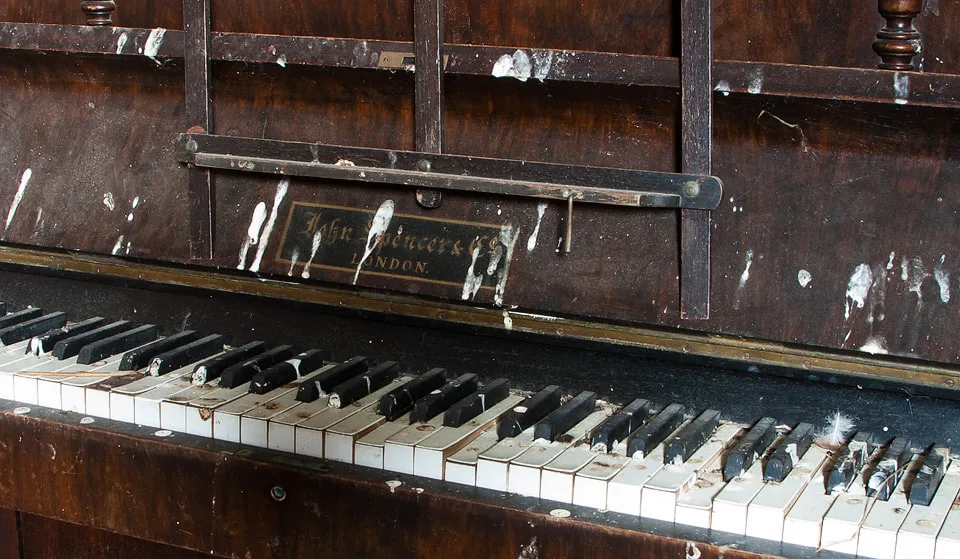
Famous Piano Brands
The piano is an iconic instrument used in many musical styles. Over the years, numerous brands have created pianos that have become worldwide benchmarks for quality and sound. Here are some of the most famous piano brands:
| Brand | Description |
|---|---|
| Steinway & Sons | Founded in New York in 1853, this brand is considered one of the world’s most prestigious. Its grand pianos are highly prized by professional musicians for their exceptional clarity and tonal richness. |
| Bösendorfer | This Austrian brand has specialized in producing high-end grand pianos since 1828. It is known for its 97-key pianos, which allow pianists to play higher and lower notes than they can on a standard piano. |
| Fazioli | Founded in Italy by Paolo Fazioli in 1981, this brand is known for its high-quality, highly precise grand pianos. Each piano is handmade, and production can take several years, making the brand a popular choice among concert musicians. |
| Yamaha | This Japanese brand produces a wide range of pianos, from digital models to high-end grand pianos. It is known for grand pianos that combine affordability with high quality and are popular among students and professional pianists. |
These brands are just a few examples of the wide variety of pianos available on the market. Each has its own reputation, distinctive sound, and customer base. Ultimately, the choice of piano will depend on the musician’s personal preferences, level of expertise, and budget.
Digital and Acoustic Pianos: What Are the Differences?
Today, there are two main types of piano: digital and acoustic. Although both produce similar sounds, they differ greatly in how they work and how they are designed.
Digital Pianos
Digital pianos are electronic instruments that imitate the sounds and feel of an acoustic piano. They use speakers to produce sound and touch-sensitive keys that allow the pianist to control volume and expression. Digital pianos have the advantages of taking up less space and costing less than acoustic pianos. They are also easier to maintain because they do not require regular tuning.
However, digital pianos can produce sounds that are less rich and organic than those of acoustic pianos, particularly in terms of string resonance and vibration. In addition, the keys on some digital pianos may feel less realistic than those on an acoustic piano, which can be a drawback for some musicians.
Acoustic Pianos
Traditional acoustic pianos were developed from the concept of the “pianoforte,” which made it possible to control the volume of the notes played. They have strings and a mechanism that transforms pressure on the keys into sound. Acoustic pianos offer better sound quality than digital pianos because they produce organic, natural sounds through the resonance of the strings, frame, and case. Acoustic pianos are classic musical instruments and remain the most popular choices for live performances and professional recordings.
However, acoustic pianos are more expensive than digital pianos and require regular tuning to maintain their sound quality. They are also heavier and bulkier, making them more difficult to move and maintain.
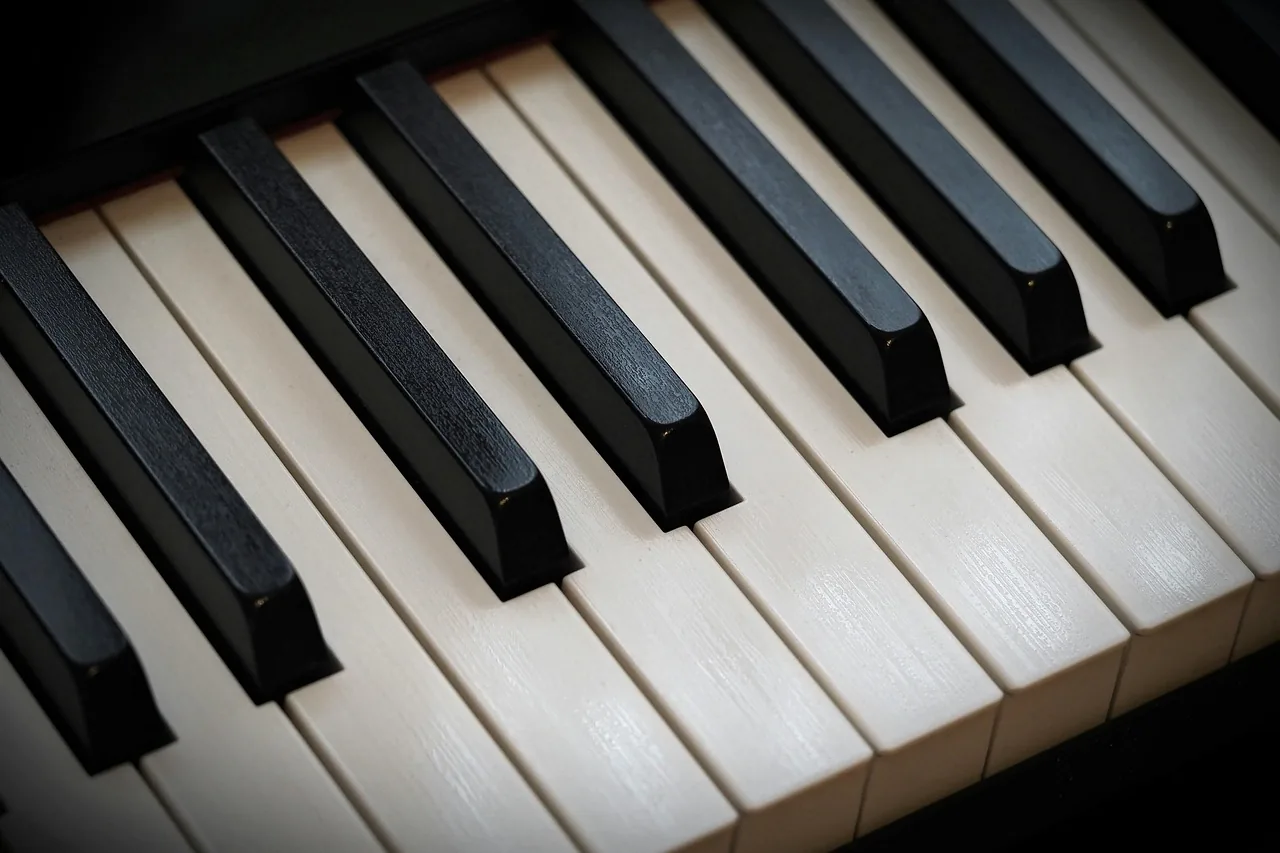
In conclusion, the choice between a digital piano and an acoustic piano depends on budget, available space, and personal musical preferences. If you are a professional musician or a classical-music student, an acoustic piano may be the best choice for you. But if you are a beginner or have a limited budget, a digital piano may be a more practical and economical choice.
Conclusion
In this article, we have explored the world’s most famous keyboard instrument: the piano. We traced its fascinating history, from its modest beginnings as a harpsichord to the impressive instrument we know today.
We examined the different types of piano, from imposing grand pianos to more modest upright models. We also looked at the various parts of the piano, including the keyboard, pedals, strings, and bridge, and discovered the world’s most famous piano brands.
We also compared digital and acoustic pianos to help readers understand the differences between these two types of instrument. We hope this article has given you a better understanding of the piano and its fascinating world.