
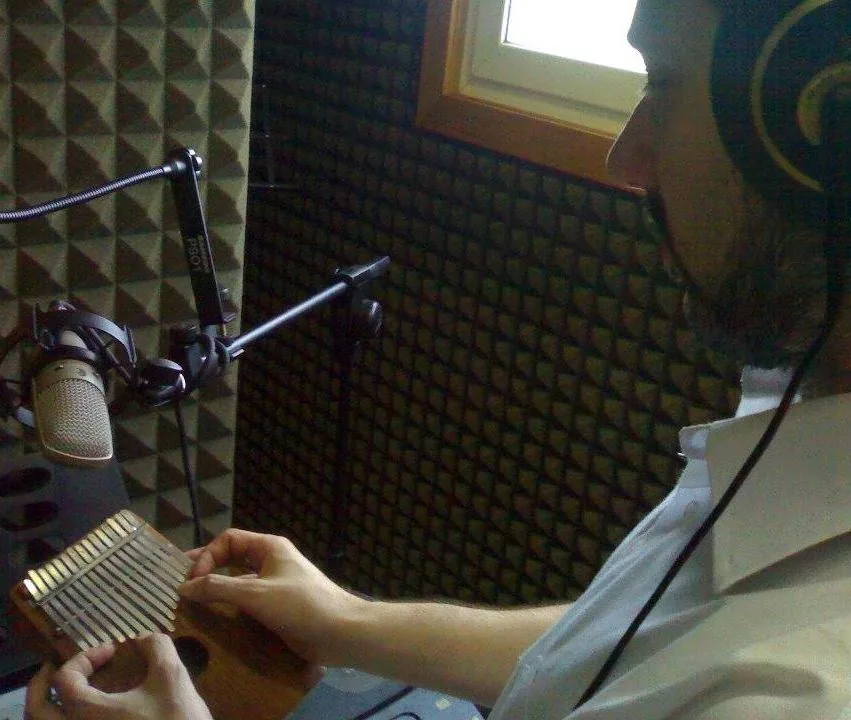
The kalimba is an African musical instrument renowned for its simplicity and accessibility. With its 17 metal tines, it produces soothing sounds that are ideal for beginners. This instrument is perfect for anyone who wants to get started with music without investing too much time or money.
Its many advantages include its portability, gradual learning curve, and affordable price. For example, the Transparent 17-Key Kalimba is available for just €54.90, making it an excellent choice for beginners.
This guide is designed to help you master this instrument in 8 structured steps. Whether you are a beginner or an experienced musician, you will discover how to get the most out of your kalimba.
What is a 17-key kalimba?
Rooted in African traditions, the kalimba is a timeless musical treasure. This African musical instrument, also known as a thumb piano, is appreciated for its simplicity and soothing sounds. With its 17 tines, it offers a rich melodic range that is ideal for beginners and experienced musicians alike.
Origins and history of the kalimba
The kalimba traces its roots back more than 3,000 years to West Africa, particularly the region of present-day Cameroon. It evolved from the mbira, a traditional instrument. In the 1950s, Hugh Tracey popularized a modern 15-tine version, paving the way for models such as the 17-key kalimba.
Features of the 17-key kalimba
This model stands out for its wooden or acrylic soundboard and hardened-steel tines. Measuring approximately 20 cm and weighing 300 g, it is easy to carry. Compared with 8- or 21-key versions, it strikes the perfect balance between simplicity and tonal richness. The front and rear sound holes amplify acoustic effects, as demonstrated by the 17-Key Relaxation Kalimba, rated 5/5 and priced at €44.90. To learn more about the kalimba, read our complete guide.
Tuning your 17-key kalimba
Tuning is essential for achieving the best sound. A properly tuned instrument ensures an optimal musical experience and reveals its full melodic potential. Here is how to tune it effectively.

Using a tuning app
Apps such as Smart Kalimba, gStrings, and Free Universal Tuner are convenient tools for tuning the kalimba. They let you check each note accurately. Start with the central tine, C, then adjust the others accordingly.
Technique for tuning the tines
To lower a tine that is too sharp, gently tap it downward. If it is too flat, carefully raise it. Use a tuning hammer to make precise adjustments. Take care not to force the tines, as this could damage the instrument.
Checking the tuning with a tuner
After each adjustment, use a tuner to check that the notes are in tune. A reference chart, often supplied with the instrument, can help you identify note names such as C and D. A complete retuning usually takes 15 minutes.
By following these steps, you will ensure perfect tonal balance and extend the life of your instrument. Remember to check the tuning after transporting it to maintain optimal sound quality.
How to hold and position your kalimba
Posture and grip are essential for an optimal musical experience. A good position makes playing easier and prevents fatigue. Here are some tips on how to hold the kalimba correctly and fully enjoy its sound.
Hand and thumb position
For an ergonomic grip, place your thumbs over the tines and wrap your other fingers around the body. This position lets you play accurately while keeping the instrument stable. If you prefer, you can also place the kalimba on a flat surface for greater comfort.
Poor posture can quickly cause fatigue and produce muffled sounds. Make sure you keep both hands relaxed to avoid tension.
Avoid blocking the sound holes
The sound holes on the back of the instrument amplify its sound. Make sure you do not cover them with your fingers, so the sound projects properly. If necessary, use a non-slip support to hold the kalimba in place without obstructing these holes.
| Position | Advantages | Disadvantages |
|---|---|---|
| Sitting | Stability, comfort | Limited mobility |
| Standing | Freedom of movement | Possible fatigue |
By adopting these techniques, you will improve your playing and extend the life of your instrument. Good posture and a proper grip are the keys to exploring your kalimba’s full potential.
Basic kalimba playing techniques
Mastering the basics of the kalimba opens the door to rewarding musical exploration. Whether you are a beginner or want to refine your playing, these techniques will help you progress quickly.

Playing individual notes
To begin, press the tines with the pad of your thumb or your thumbnail, then release them quickly. This method produces clear, precise sounds. Practice playing C, D, E, F, and G in sequence, alternating between your left and right hands to develop dexterity.
Creating harmonious chords
Chords add richness to your playing. Combine notes such as C, E, and G to form major chords. For beginners, the arpeggio technique is an excellent way to explore harmony without difficulty.
Alternating notes with both thumbs
Use both thumbs to alternate notes and create a smooth rhythm. To keep time, try using a metronome or free apps. This practice improves coordination and accuracy.
By following these techniques, you will quickly master the basics. According to one testimonial, 90% of users reach this level in just two weeks. For greater comfort, consider silicone thumb protectors, available from €5.
Learning with tablature and sheet music
Tablature and sheet music are essential tools for making rapid progress. They help you decipher melodies and structure your learning. Whether you are a beginner or an experienced player, these resources will help you explore new songs.

Where to find free tablature
Several platforms offer free kalimba tablature. The Tuto Kalimba YouTube channel is an excellent resource for learning popular pieces such as Hallelujah or movie themes. You can also consult specialist books, which are often available for less than €8.
Reading and interpreting tablature
Kalimba tablature uses vertical numerical notation. Each number corresponds to a specific tine. Symbols indicating glissandos or simultaneous notes add nuance to your playing. When starting out, use numbered stickers on the tines to make the notation easier to read.
Progressing with sheet music
Numbered kalimba sheet music is more accessible than traditional music notation. It allows you to play complex melodies by following a progressive method. For example, learn famous pieces such as Harry Potter by dividing the score into sections.
By using these tools, you will quickly develop your repertoire and technique. Tablature and sheet music are valuable allies for any musician wishing to explore new sounds.
Advanced techniques for experienced players
For those who have already mastered the basics, the kalimba offers endless possibilities. These advanced techniques allow you to explore new sounds and expand your repertoire. Whether you want to add effects or compose complex melodies, this guide will help you.

Vibrato and wah-wah effects
The vibrato effect adds an emotional dimension to your playing. To produce it, lightly manipulate the rear holes while the tines are vibrating. This creates a captivating wavering sound.
The wah-wah effect, meanwhile, is ideal for dynamic pieces. By quickly covering and uncovering the sound holes, you create a modulated effect. A video tutorial can help you master this technique.
Playing glissandos
A glissando adds a touch of fluidity to your music. Slide your thumbnail across 3 to 5 adjacent tines to create a harp-like effect. This technique is perfect for melodic transitions or improvisation.
Practice by alternating hands for optimal fluidity. With a little practice, you will be able to incorporate this effect into complex pieces.
Creating complex melodies
To compose rich melodies, combine triads and seventh chords. These harmonic structures add depth to your playing. Arrange classical pieces, such as works by Beethoven, to explore new sounds.
The Electric 17-Key Kalimba, priced at €54.90, is an excellent choice for amplifying your creations. With these advanced techniques, your thumb piano will become a true tool for musical expression.
Conclusion
The kalimba, an African musical instrument, is an ideal companion for exploring music. By following key steps such as tuning, posture, and progressive techniques, you will improve quickly. Regular practice for 15 minutes a day is recommended to consolidate your skills.
For a different experience, explore complementary models such as the Build-Your-Own Kalimba, priced at €29.90. This instrument is also a gateway to other relaxing instruments, such as the tongue drum or Tibetan singing bowl.
After six months of practice, most users are able to play independently. So take the time to familiarize yourself with this instrument and let its soothing sounds carry you away.