
You may be a beginner musician or a seasoned producer wondering what the difference is between a keyboard and a synthesizer. It is a common question, often asked by people looking to buy their first electronic musical instrument.
To help you answer it, let us examine the main differences between the two instruments. Although keyboards and synthesizers share similar characteristics, there are a few key distinctions to consider when purchasing one.
Keyboard Features and Characteristics
A keyboard is an electronic musical instrument consisting of keys that produce sounds when pressed. However, modern keyboards have many other features that make them versatile and practical for musicians of all levels.
Number of Keys and Types of Keyboards
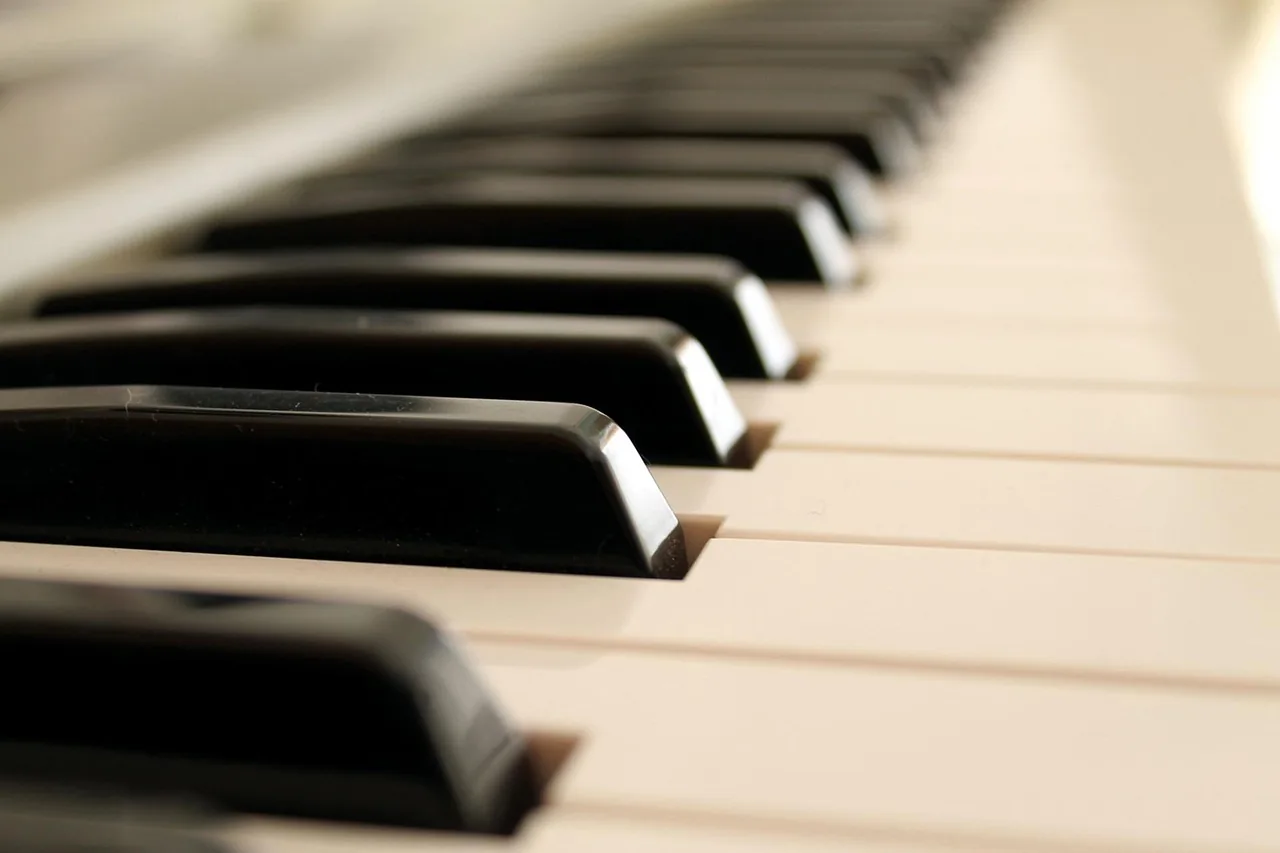
Keyboards can have varying numbers of keys, ranging from 25 to more than 88. Keyboards with fewer than 61 keys are often called portable keyboards, while those with more than 61 keys are generally considered studio keyboards.
There are also different types of keyboards suited to different musical genres. For example, some are specifically designed for classical music, jazz, pop, or electronic music.
Built-in Sounds
Modern keyboards come with a wide range of built-in sounds, from acoustic piano to electronic instruments such as synthesizers. Musicians can easily switch sounds using the keyboard’s buttons.
Advanced Features
Keyboards may also offer advanced features such as loop recorders, effects, music players, USB ports, backup memory, and programmable controls. These features make keyboards practical for music composition and live performance.
“Modern keyboards come with a wide range of built-in sounds, from acoustic piano to electronic instruments such as synthesizers.”
Synthesizer Features and Characteristics
The synthesizer is an instrument particularly valued for its ability to create unique, customized sounds. Although it shares some features with the keyboard, it has specific characteristics that distinguish it from the latter.
A synthesizer can generate different types of sound waves, such as sine, square, sawtooth, or triangle waves, which can be modified to produce a variety of sounds. It also offers great flexibility in sound manipulation, allowing musicians to adjust various parameters such as frequency, resonance, modulation, and the sound envelope.
A synthesizer also has advanced features such as granular synthesis, additive synthesis, subtractive synthesis, and phase synthesis, which make it possible to create even more complex and innovative sounds.
| Characteristics | Description |
|---|---|
| Sound-wave generation | A synthesizer can generate different types of sound waves, such as sine, square, sawtooth, or triangle waves, which can be modified to produce a variety of sounds. |
| Sound manipulation | A synthesizer offers great flexibility in sound manipulation, allowing musicians to adjust various parameters such as frequency, resonance, modulation, and the sound envelope. |
| Advanced features | A synthesizer has advanced features such as granular synthesis, additive synthesis, subtractive synthesis, and phase synthesis, which make it possible to create even more complex and innovative sounds. |
In short, the synthesizer is a versatile and creative electronic musical instrument that gives musicians and producers endless possibilities for sound creation.
Uses of a Keyboard
The keyboard is a versatile musical instrument used in a variety of applications. It is commonly used in classical music, jazz, rock, pop, and many other musical genres.
The keyboard is often used as an instrument in group or solo performances. It can also serve as a MIDI controller for computer-assisted music production, allowing musicians to create tracks using digital sounds and effects.
In addition, keyboards are often used in churches to accompany singing and liturgical music. They can also be used for music education, learning music theory, and instrumental practice.
Finally, keyboards can be used as recreational instruments at home. Amateur musicians can learn to play popular songs on a keyboard, while more experienced players can use one to compose and record their own music.
Ultimately, the uses of a keyboard are limited only by the musician’s imagination and creativity.
Uses of a Synthesizer
The synthesizer is an extremely versatile instrument that offers a wide variety of creative possibilities. Thanks to its ability to generate unique, customized sounds, the synthesizer has become a key element of electronic music production.
Here are some of the most common uses of a synthesizer:
- Creating drum and bass tracks – The synthesizer is often used to add drum rhythms and bass lines to a music production. The rich, deep sounds produced by a synthesizer are particularly useful for creating powerful bass lines and punchy drum patterns.
- Creating melodies and leads – The synthesizer is also ideal for creating unique melodies and leads. Users can experiment with different waveforms, envelopes, and effects to create sounds unlike those of any other instrument.
- Creating ambient sounds – Synthesizers are frequently used to add atmospheric sound elements to a music production. The sounds generated by a synthesizer can be manipulated to create interesting and complex sonic textures.
- Live performances – Synthesizers are also used during live performances, allowing artists to create dynamic soundscapes and add sonic elements to their music production. MIDI controllers can be used to control synthesizers, enabling musicians to play synthesizer parts in real time.
The synthesizer is an extremely creative and versatile instrument, offering a wide variety of sonic possibilities to musicians and electronic music producers. Whether you are an experienced musician or a beginner, the synthesizer can be a powerful and inspiring music-production tool.
Components of a Keyboard and a Synthesizer
Keyboards and synthesizers are both electronic musical instruments with certain similarities in how they work and look. However, their components also have significant differences that make them unique and suited to specific uses.
The components of a keyboard generally include the keyboard itself, which can come in different sizes, as well as the casing, which houses the speakers and the electronics needed to produce sounds. Keyboards may also feature various connections, including MIDI outputs and inputs and USB ports, which allow them to be connected to other electronic devices.
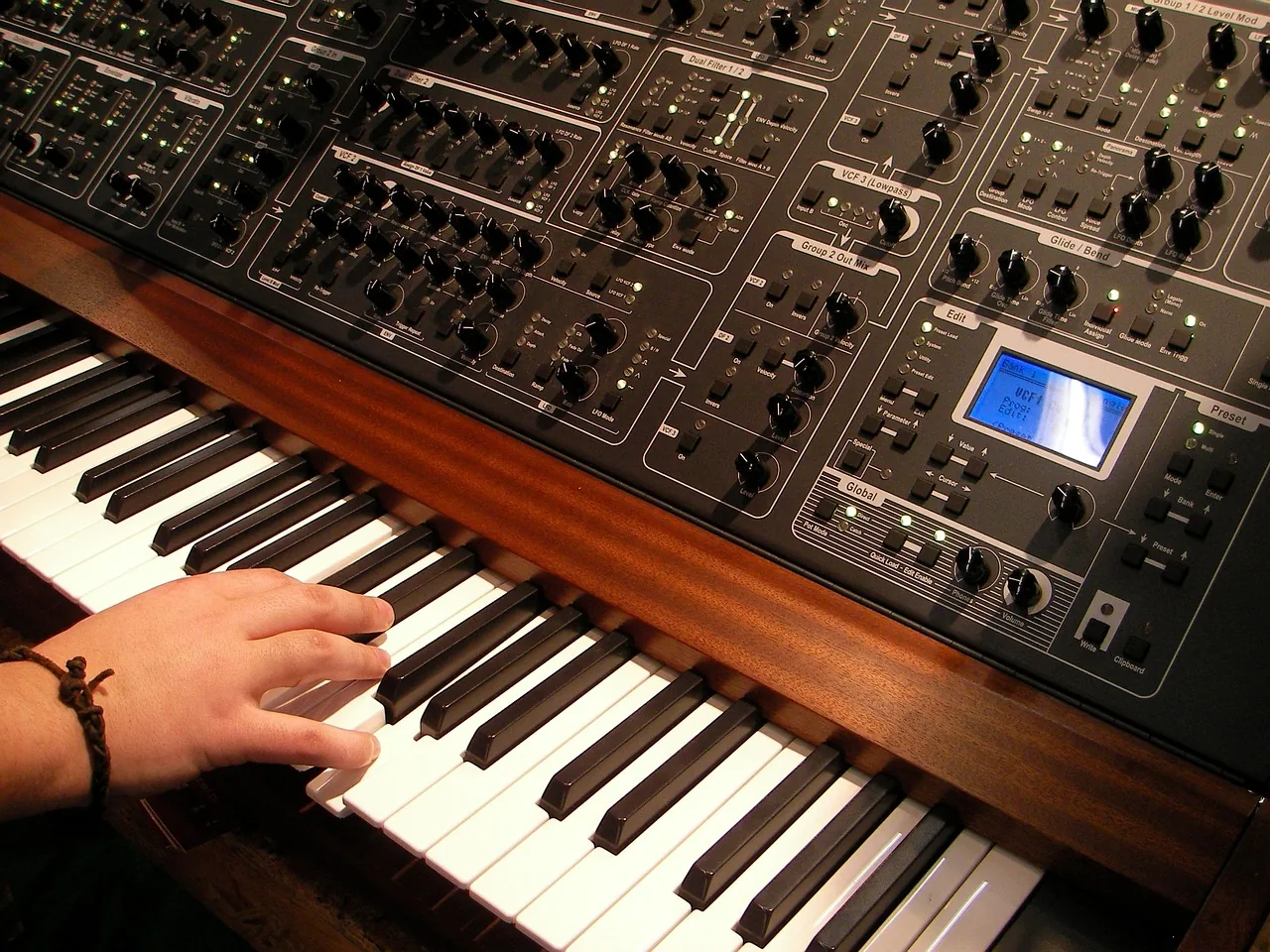
The components of a synthesizer, on the other hand, tend to be more complex and specialized. Synthesizers use oscillators, filters, and envelopes to create artificial sounds, which they can then alter and manipulate using effects and signal processors. Synthesizers may also include additional controllers, such as modulation wheels and drum pads, which allow musicians to manipulate sounds further in real time.
Synthesizers are also often equipped with various advanced connections, including CV/Gate outputs, which allow them to be connected to other modular devices, as well as SPDIF and AES/EBU digital inputs and outputs.
Modern keyboards and synthesizers may also include advanced features such as LCD screens, built-in sequencers, and sampling capabilities, allowing musicians to create even more complex and sophisticated sounds and tracks.
Ultimately, the choice between a keyboard and a synthesizer will depend on each musician’s needs and preferences. Keyboards are often better suited to traditional uses, while synthesizers are more appropriate for creating and manipulating artificial sounds. However, whichever instrument you choose, it is important to understand its components in order to use its features effectively.
Conclusion
In short, the difference between a keyboard and a synthesizer lies in their features and uses. A keyboard is primarily designed to play prerecorded sounds, while a synthesizer offers more advanced options such as generating sound waves, manipulating sounds, and creating customized sounds.
However, it is important to note that the two instruments have different uses: the keyboard is often used in traditional music and live performances, while the synthesizer is more widely used for electronic music production and performances incorporating unique sounds.
As for their components, keyboards and synthesizers have similar keyboard mechanisms but differ considerably in their sound engines, amplification, and connectivity options.
Choosing the Right Instrument
It is important to consider these differences when choosing the instrument that best suits your needs and preferences. If you are interested in electronic music production, a synthesizer is probably the best option for you. If you prefer playing traditional music or simply want to play prerecorded sounds, a keyboard will be a more suitable choice.
Ultimately, the choice between a keyboard and a synthesizer will depend on your personal musical goals. It is therefore important to examine the differences between the two instruments carefully and consider which uses and features matter most to you before making a purchase decision.