
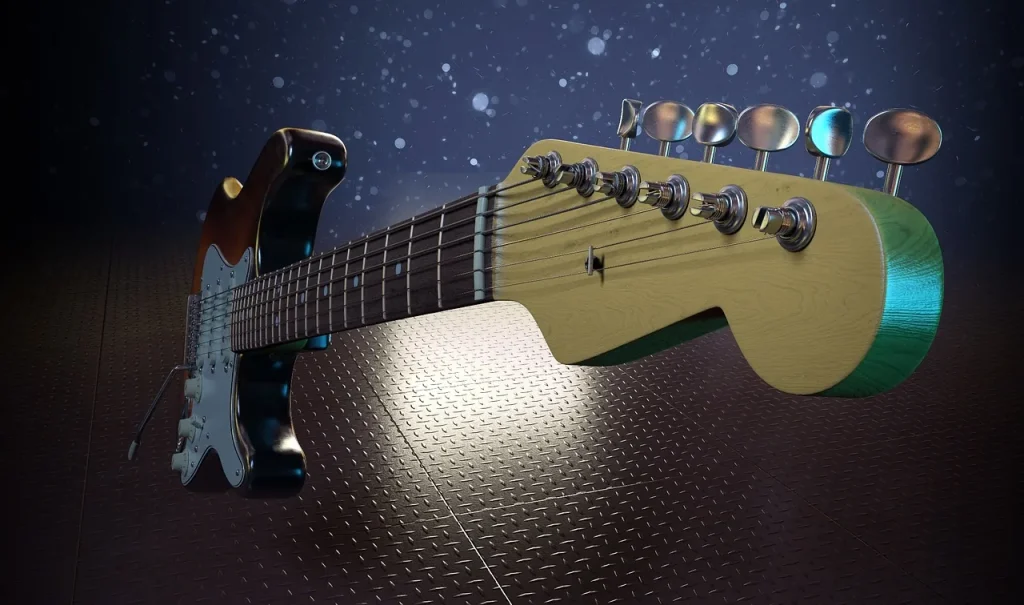
Electric guitar is often pitted against its acoustic counterpart. One is supposedly the preserve of men, the other of women. The former, confined to music that “rocks,” would come alive before crowds, on rock festival stages or in bars. The latter, more intimate, would readily make itself heard in small gatherings or in more exclusive concert halls reserved for classical music. But in truth, the distinction between these two worlds is not so clear-cut. Why should it be, when we are ultimately talking about the same instrument ?
Rather than placing yourself in one group or the other, you have everything to gain by exploring both classical and electric guitar. You will build a broader, more sophisticated range of techniques. You will enjoy an almost infinite repertoire. And above all, you will have twice as much fun playing !
Understanding the distinctive features of both guitars
Although electric and acoustic guitars belong to the same family of instruments, they offer very different playing experiences and sounds. Understanding their individual characteristics makes it easier to choose between them—or to consider learning both as complementary instruments.
Acoustic guitar: authenticity and accessibility
The acoustic guitar is often considered the very essence of the guitar. Its sound box naturally amplifies the sound produced by the strings, creating a warm, natural tone. It is valued for its ease of use: there is no need for an amplifier or extra equipment, making it ideal for playing anywhere. Its broad repertoire ranges from folk and classical music to singer-songwriter material and acoustic pop.
However, its neck is generally wider and its strings stiffer, which can be challenging for beginners. It also offers a less extensive tonal palette than the electric guitar.

Electric guitar: comfort and creativity
The electric guitar stands out for its use of pickups and electronic amplification. This technology enables a wide variety of sounds and effects suited to styles such as rock, jazz, blues, and experimental music. Its slimmer neck and often lighter strings make it easier and more comfortable to play, even for beginners.
On the other hand, it requires additional equipment (an amplifier and cables), which may be a drawback for some. Less portable than its acoustic counterpart, it appeals to players with its tonal versatility and expressive potential.
Why you do not have to choose between the two guitars
It can be tempting to choose between electric and acoustic guitar, as though the two instruments belonged to radically separate worlds. Yet far from being incompatible, they form a complementary pair that enriches musical expression.
Broadening your musical horizons
By starting to learn electric or acoustic guitar at home, you gain access to an especially broad range of techniques. Each instrument invites you to explore different approaches, from delicate acoustic fingerpicking to electric effects and improvisation. This variety develops a more discerning ear and a better understanding of tonal subtleties. Moving from one to the other prevents routine from setting in and stimulates creativity, thereby expanding the musician’s playing possibilities.
Hybrid guitarist profiles
Many famous artists embody this dual skill, switching between guitars depending on the song or mood. This versatility becomes a major asset both onstage and in the studio, enabling rare stylistic adaptability. Some genres, such as modern blues and folk rock, specifically draw on the richness offered by this dual practice. This approach also fosters more well-rounded technical development, as each guitar highlights specific challenges to overcome.

The acoustic-electric guitar: an appealing compromise
For anyone torn between electric and acoustic guitar, the acoustic-electric guitar offers a hybrid solution that combines the benefits of both worlds in a single instrument. It can eliminate the need to buy two separate guitars while providing considerable versatility.
This guitar has a sound box like a traditional acoustic, allowing it to be played without an amplifier while producing a natural, warm, and rich tone. But it is also fitted with a piezoelectric pickup or microphone that allows it to be connected to an amplifier or mixing console. This opens the door to amplified effects and tone adjustments, as with an electric guitar.
However, it is important to remember that this type of guitar remains a middle ground. It cannot fully replace either purely electric playing, with its slim neck and numerous effects, or acoustic playing with its very natural sound. It is a wise choice for anyone who wants an “all-in-one” guitar and prioritizes convenience and tonal variety in a single instrument.
How should you organize your learning with both instruments ?
Learning electric and acoustic guitar requires thoughtful organization to take full advantage of each instrument’s technical and musical differences. A progressive, adaptable method helps you absorb their distinctive features while maintaining motivation and enjoyment.
A progressive method
You do not have to start learning both guitars at the same time. Depending on your preferences and goals, you can begin with the one that appeals to you most: acoustic for its immediate simplicity and authentic tone, or electric for its comfort and creative possibilities. The key is to master the basics (positions, chords, and rhythms) before moving on to the second guitar, adapting your techniques to its different characteristics (strings, neck, and amplification). This gradual progression prevents your attention from becoming scattered and makes improvement easier.

Practical advice
To succeed in learning both, choose your instruments according to your budget and intended musical style. Take advantage of online resources such as tutorials, masterclasses, and explanatory videos that specifically cover both worlds. Vary your exercises (for example, practicing chords on acoustic and improvisation and effects on electric) so that you can transfer what you have learned while exploring what makes each guitar different. Consistency and curiosity remain your greatest allies in mastering these two instruments.
Toward creativity without boundaries
Daring to learn both electric and acoustic guitar gives you precious musical freedom. Free from restrictive boundaries, this dual skill opens the door to limitless creativity and rich, varied personal expression.
Learning both instruments gives you the opportunity to forge a unique musical identity by combining the natural warmth of acoustic guitar with the power and tonal diversity of electric guitar. This versatility makes playing more enjoyable, prevents monotony, and encourages constant exploration.
Many resources are available to support you: online courses, videos, forums, and enthusiast communities where people share advice and experiences. Whether you are a beginner or an experienced musician, embracing both worlds will help you grow artistically and technically through continuous mutual enrichment.