
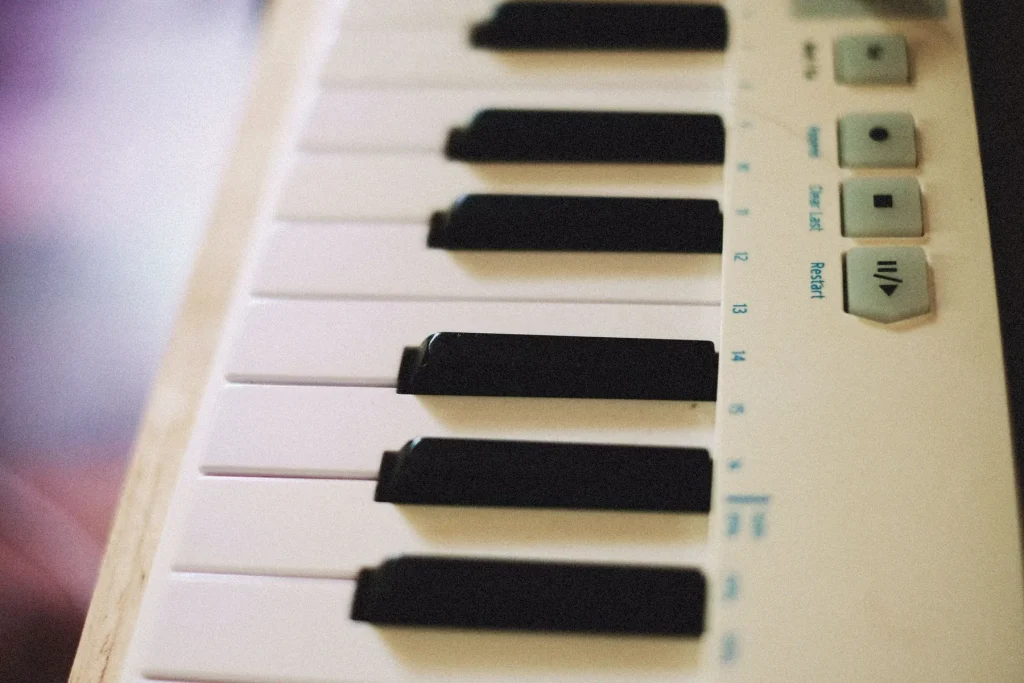
Whether you are passionate about synthesizer sounds or a beginner, this guide is for you. We will explore the different types of synthesizers. We will also cover the key steps for learning how to use them.
You will discover analog synthesizers, digital synthesizers, and hybrid models. Each technology has its advantages. You will learn how to choose the right synthesizer for you.
If you want to learn synthesizer programming or create new sounds, this guide will help you. You will discover how to use synthesizer controls. You will also learn how to understand synthesizer interfaces.
Dive into the world of synthesizers and discover how to use them. With this guide, you will learn to master the concepts covered in synthesizer tutorials. You will be ready to explore your musical creativity.
Introduction to the synthesizer
The synthesizer has transformed music since the 1960s. It has become smaller and easier to use. Today, it is essential in many genres, such as pop and rock. The synthesizer also influences film, television, and video games.
History of the synthesizer
The first synthesizers appeared in the 1960s. The Moog and Buchla were among the earliest models. They were large and complex, but synthesizers are now smaller and easier to use.
Analog or digital synthesizer
Synthesizers can be analog or digital. Analog synthesizers have a warm sound and are prized for their vintage character. Digital synthesizers are more flexible, but may lack warmth. The choice between the two depends on your tastes and musical style.
“The synthesizer opened up new creative possibilities, allowing artists to explore new sonic worlds.”
The essential components of a synthesizer
A synthesizer is an electronic instrument made up of several key elements. Each synthesizer component plays an important role in creating and modifying sound. Understanding their functions is crucial to using this instrument effectively.
Oscillators: the heart of the sound
Oscillators are at the heart of sound production. They produce sound waves in various shapes, thereby creating the sound’s basic timbre. Adjusting their frequency produces sounds ranging from low to high.
Filters: sculpting the sound
Filters modify the sound’s frequency spectrum. They can boost or attenuate certain frequencies, making it possible to create a wide variety of sounds. Low-pass filters, for example, make the sound smoother and darker.
Envelopes: dynamics and expression
Envelopes control the sound’s dynamics. They define attack, decay, sustain, and release (ADSR). This determines how the sound’s intensity evolves.
LFOs: modulation and movement
LFOs add movement to the sound. They modulate parameters such as pitch or volume. This creates effects such as vibrato or tremolo, enriching the sound.
The different types of synthesizers
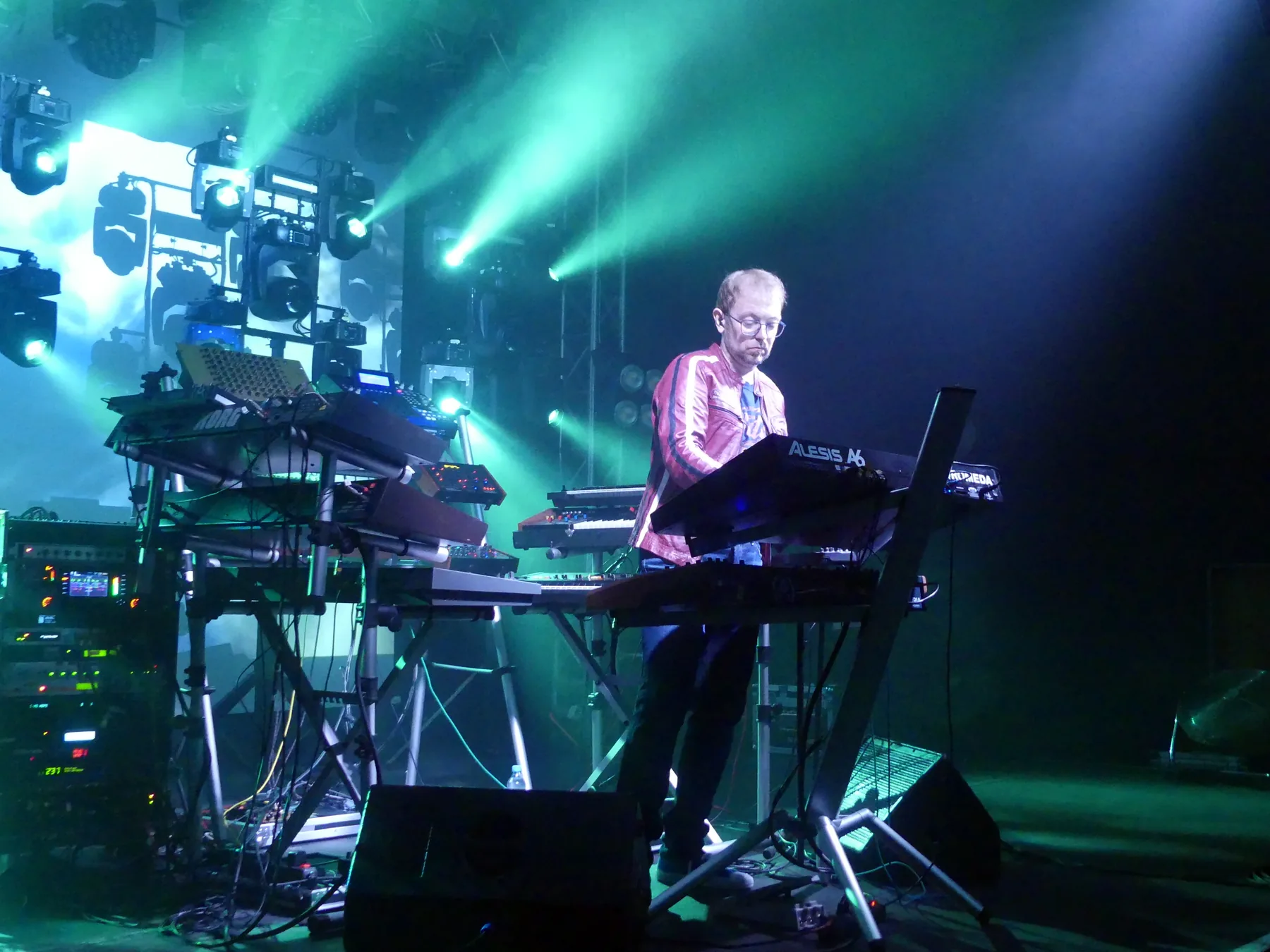
The world of the synthesizer is rich and varied. Each type has its own characteristics. Monophonic synthesizers play one note at a time. They are ideal for bass lines, solos, and melodies.
Polyphonic synthesizers play several notes at once. This makes it possible to create chords and harmonic textures.
There are other types of synthesizers, each with its own particular features. Drum machines are designed to create rhythms. MIDI keyboards control sounds from other sources. Virtual synthesizers (VSTs) are software instruments that offer great flexibility and access to numerous sounds.
Choosing the right synthesizer requires understanding its features. This helps you find the instrument suited to your musical needs and make the most of this exciting tool.
“Every type of synthesizer has its own strengths and weaknesses; it is important to choose the one that best matches your musical aspirations.”
How to get started with a synthesizer: the complete guide
Choosing the right synthesizer for a beginner
Choosing the right synthesizer is crucial to getting off to a good start. Digital synthesizers are ideal for beginners. They are affordable and offer many sounds. Analog synthesizers, by contrast, have a distinctive sound but cost more.
It is important to choose a high-quality beginner synthesizer. This will help you improve your musical skills.
Learning the basics of music
The synthesizer is a powerful instrument, but having some musical knowledge is useful. Acquiring a foundation in learning music with a synthesizer makes the learning process easier. It will help you create melodies and chords.
Mastering the key parameters
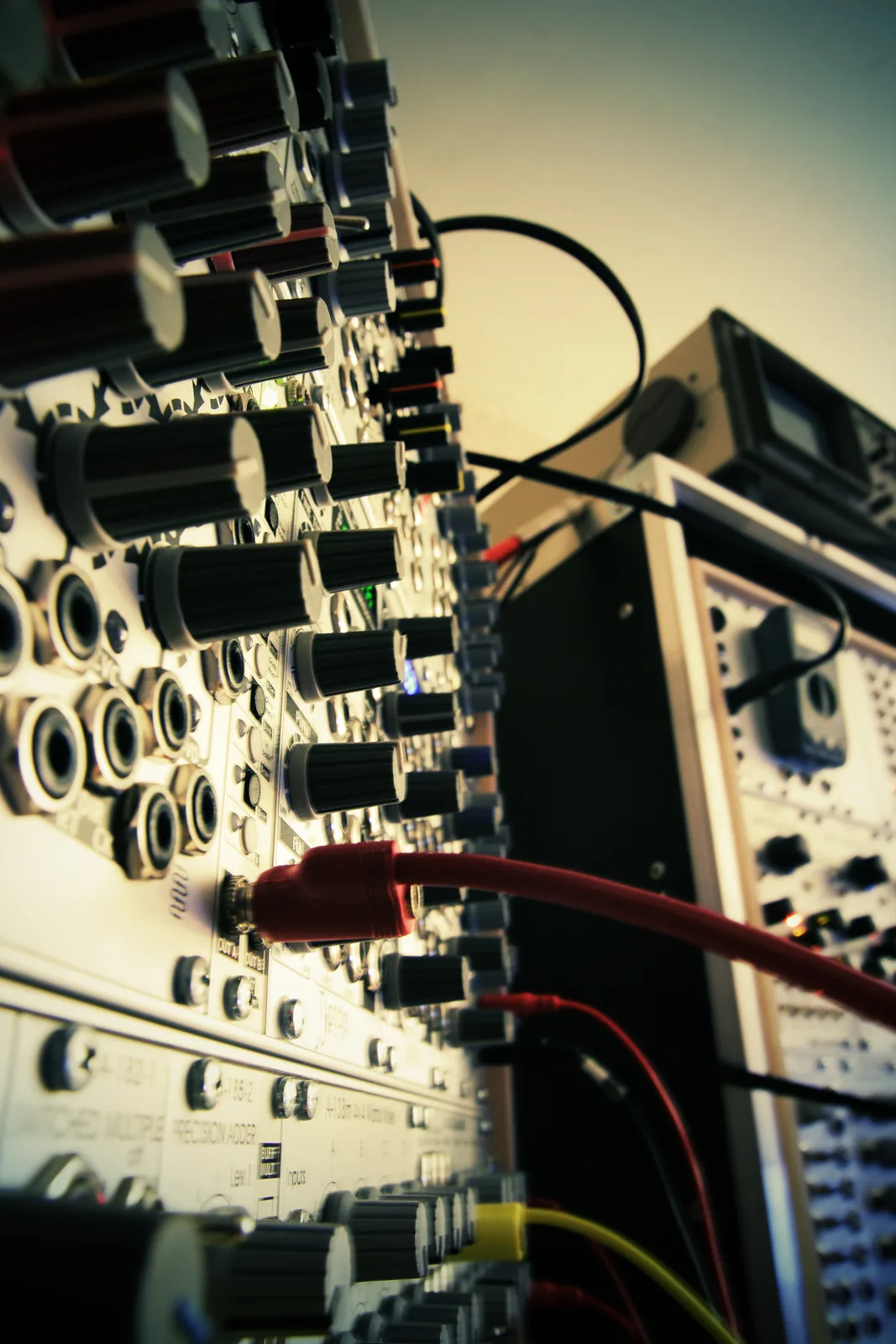
Mastering synthesizer parameters is essential. Oscillators, filters, envelopes, and LFOs are key elements. With practice, you will learn to create unique sounds.
Understanding these elements will allow you to master the synthesizer.
“Mastering the synthesizer’s key parameters is crucial to unlocking the instrument’s full creative potential.”
Conclusion
By following this guide, you are ready to begin your exciting journey into the world of synthesizers. Whether you are a beginner or an experienced musician, the synthesizer opens up a world of creativity. Explore, experiment, and enjoy playing.
Whether analog, digital, modular, or software-based, the synthesizer is a fascinating tool. It allows you to explore numerous sounds and composition techniques. Whether you are interested in music production, live performance, or sound experimentation, the synthesizer can meet your needs.
Do not wait any longer: dive into the world of synthesizers and unleash your creativity. With the right guidance and tools, master this instrument and bring your boldest musical ideas to life.
FAQ
What are the different types of synthesizers?
What is the difference between an analog synthesizer and a digital synthesizer?
What are the essential components of a synthesizer?
How should a beginner choose the right synthesizer?
What basics should you know to get off to a good start with a synthesizer?
Source links
- https://synthbasics.com/
- https://blog.landr.com/modular-synth/
- https://www.berlinschoolofsound.com/modular-synths-for-beginners-how-to-start/
- https://blog.landr.com/modular-synth/
- https://support.apple.com/en-lamr/guide/logicpro/lgsife419f2c/mac
- https://en.wikipedia.org/wiki/Synthesizer
- https://www.uni-weimar.de/kunst-und-gestaltung/wiki/images/Young_Persons_Guide.pdf
- https://www.musicradar.com/news/best-beginner-synthesizers
- https://www.la-reveuse.fr/en/which-synthesizer-should-a-beginner-choose-complete-guide-and-advice/
- https://www.musicradar.com/news/best-beginner-synthesizers
- https://www.musicradar.com/news/best-beginner-synthesizers
- https://support.apple.com/en-lamr/guide/logicpro/lgsife419f2c/mac
- https://learningsynths.ableton.com/recipes/get-to-know-this-synth