
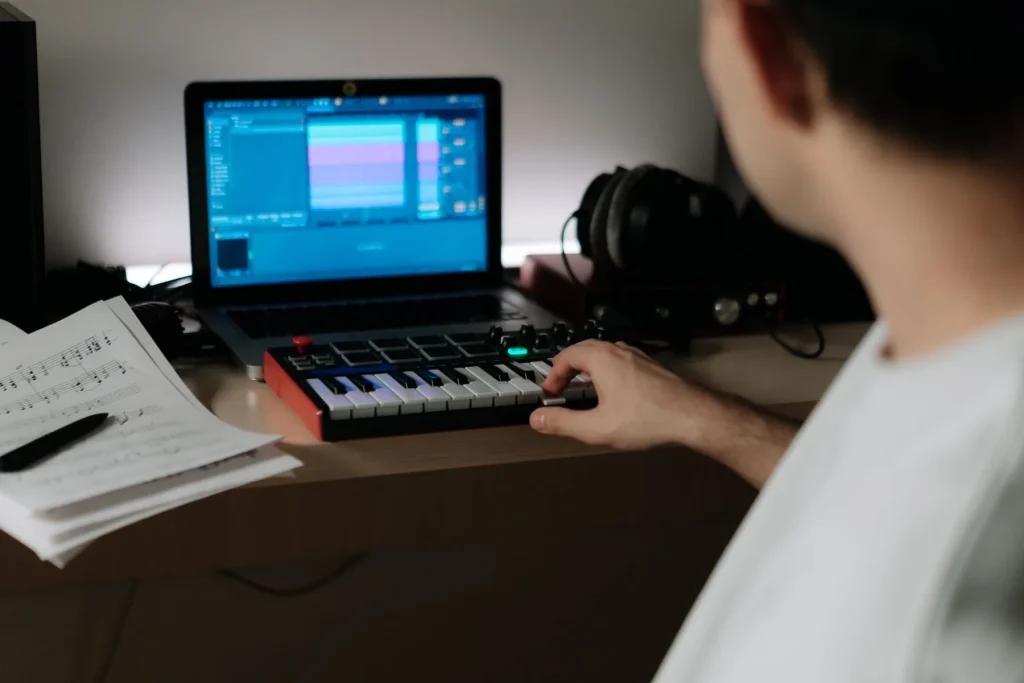
Welcome to our professional guide on how to learn to play the synthesizer. Whether you are a beginner or already have some musical experience, we are here to help you develop your synthesizer skills. In this article, we will provide practical tips and advice to improve your playing and help you overcome common difficulties you may encounter.
Whether you are looking for synthesizer techniques for playing melodies or want to get started with this instrument, you will find useful information in our guide. We will cover synthesizer basics, the different options for taking lessons, exercises to improve your playing, tips for mastering the instrument, as well as common difficulties and ways to overcome them. Our goal is to provide a comprehensive guide to help you progress as you learn the synthesizer.
We understand that learning the synthesizer can be difficult at first, but with practice and the tips we provide, you will quickly become a synthesizer master. So, whether you are a beginner or a seasoned professional, read on to discover our professional guide on how to learn to play the synthesizer.
Synthesizer Basics
The synthesizer is a very popular electronic musical instrument thanks to its unique sounds and great versatility. To play it, it is important to understand the different synthesizer techniques as well as the fundamentals of the instrument. If you are a beginner and want to get started with the synthesizer, here are some basic concepts you should know:
| Basic concept | Description |
|---|---|
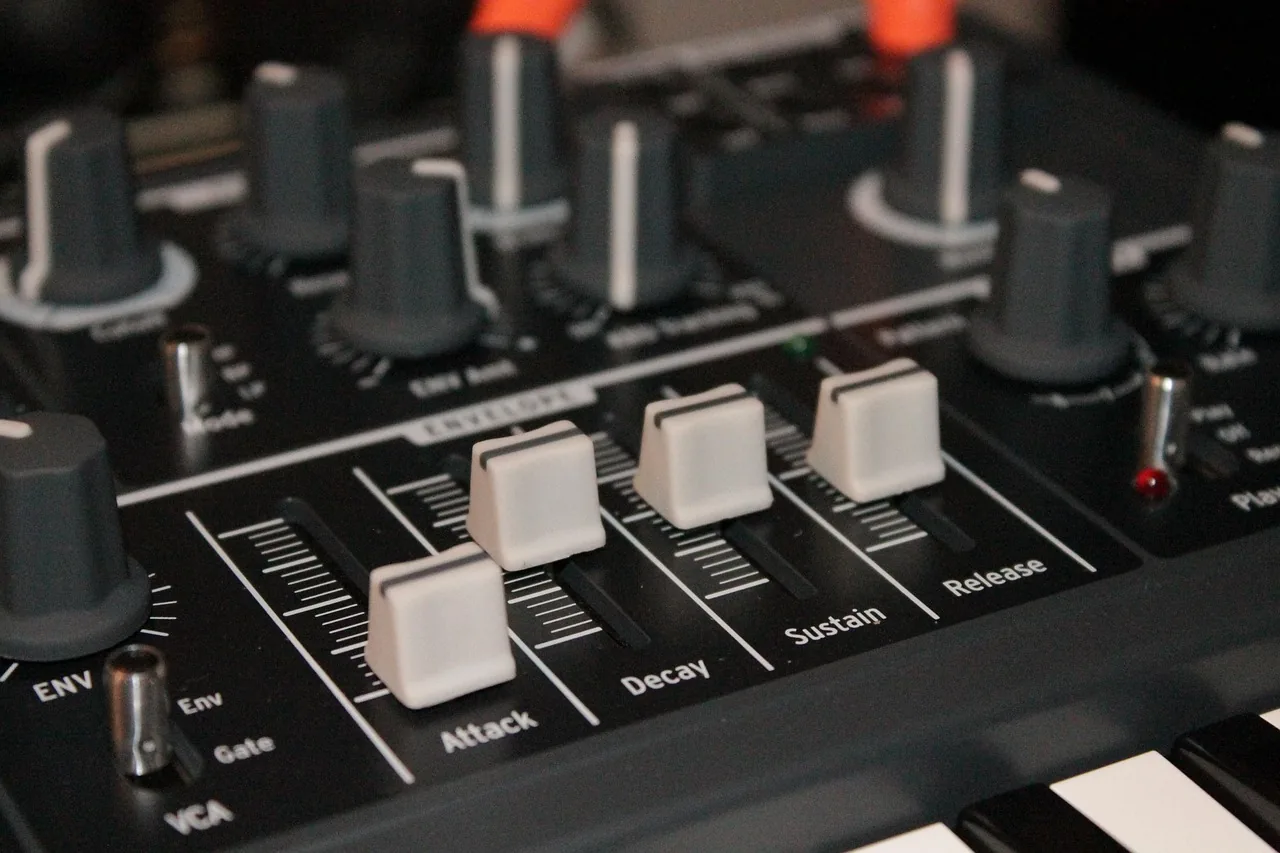
| Synthesizer components | The synthesizer consists of several elements, such as the keyboard, oscillators, filters, amplifiers, envelopes, and effects. Learn to identify them and understand how they work. |
| Synthesizer techniques | There are several synthesizer techniques to master when playing this electronic instrument. Some of the most important include modulation effects, frequency variations, rhythm creation, and the use of the envelope function. |
| Synthesizer settings | The synthesizer is an instrument with great flexibility that can create unique sounds. To do this, you need to know how to adjust the various settings, such as waveform, frequency, filter, and amplitude. |
Once you understand the synthesizer’s different components and the basic techniques, you can begin playing the instrument.

Synthesizer Basics – Conclusion
By understanding synthesizer components and techniques, you will be well prepared to play this electronic instrument. However, to progress further, you will need to practice regularly and continue learning new tips and techniques.
Synthesizer Lessons
The choice of a synthesizer course will mainly depend on each learner’s personal preferences and budget. Several options are available:
| Course type | Advantages | Disadvantages |
|---|---|---|
| In-person lessons | Direct access to a teacher for real-time feedback and instruction. Development of a personalized learning plan. | Expensive. The lesson times may not fit the learner’s schedule. |
| Online tutorials | Available 24/7. Affordable or free access. A vast selection of resources for every skill level. | The absence of a live teacher can make certain topics difficult to clarify. Receiving personalized feedback may be difficult. |
| Self-study | No cost. Ability to learn at your own pace. Flexible schedule. | No personalized feedback. Lack of a structured learning path. |
In addition to these options, smartphone apps and games are also available for learning the synthesizer in a fun and entertaining way.
It is important to choose the method that best suits the learner and can motivate them to keep progressing.
Exercises to Improve Your Playing
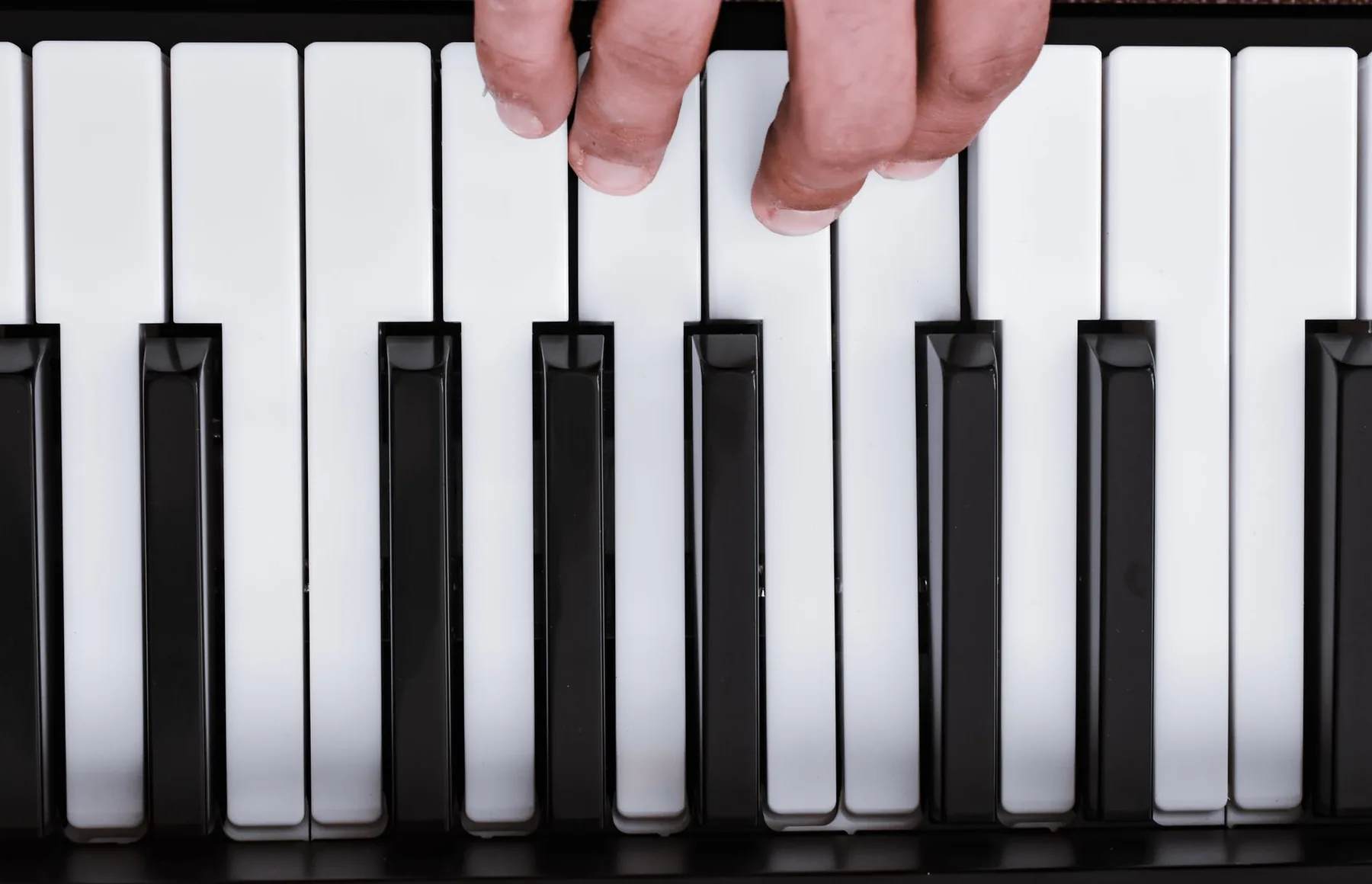
To improve your synthesizer playing, it is essential to practice regularly. Here are some useful exercises and techniques for developing your skills:
| Exercise | Description |
|---|---|
| Nimble fingers | Play scales and arpeggios to improve your finger dexterity and coordination. Focus on the accuracy and fluidity of your movements. |
| Percussion | Practice percussion with your free hand while playing chords or melodies. This will help improve your rhythm and add texture to your playing. |
| Changing tempo | Choose a simple melody and play it at different tempos. This will help develop your sense of rhythm and improve your ability to play with other musicians. |
In addition to these exercises, try playing different styles of music to familiarize yourself with the sounds and techniques associated with each genre. Take the time to listen to various artists and study their synthesizer playing to discover new ideas and sources of inspiration.
Finally, remember to take regular breaks and pay attention to your posture to prevent injuries. With practice and determination, you can improve your synthesizer playing and become an accomplished musician.
Tips for Mastering the Synthesizer
Now that you have learned the basics and begun practicing, it is time to discover some tips for mastering the synthesizer. Whether you are a beginner or already have some experience, this advice will help you progress even faster.
Tip No. 1: Create Your Own Sounds
To stand out and create original compositions, it is important to master the creation of custom sounds. Take the time to familiarize yourself with the different parameters on your synthesizer, and experiment by modifying waveforms, filters, envelopes, and other features. You can also use sound-synthesis software to create more complex sounds and import them into your instrument.
Tip No. 2: Experiment with Presets
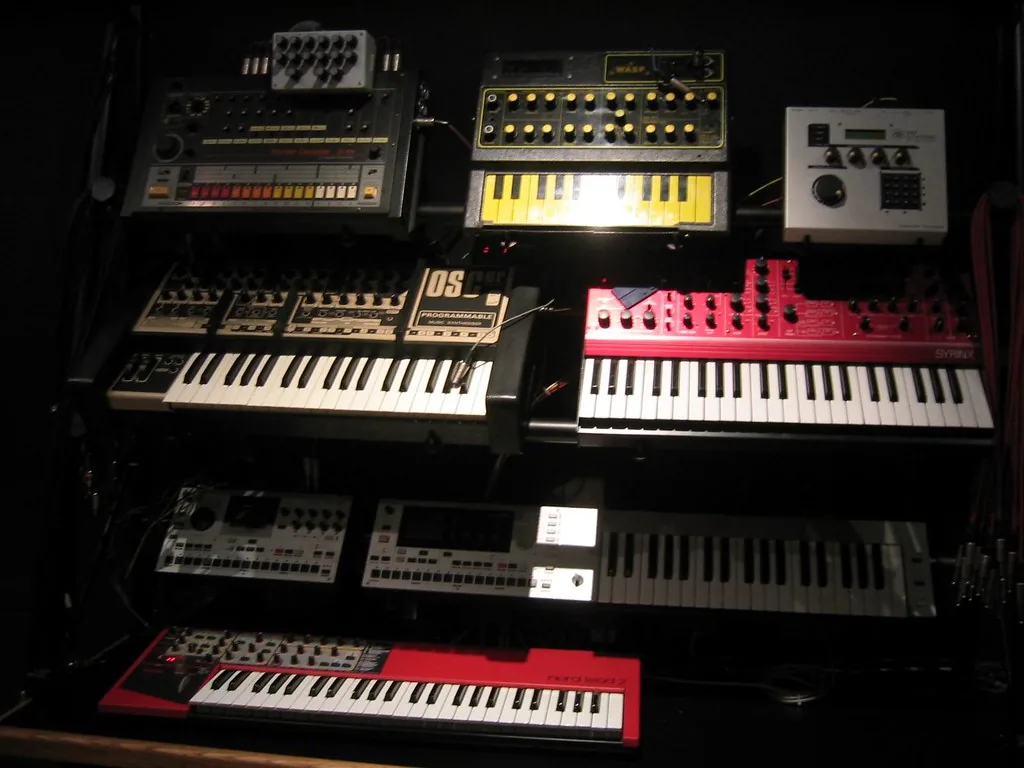
Presets are predefined sounds on your synthesizer, often used as a starting point for creating new sounds. Instead of simply using them as they are, try modifying them by adjusting different parameters and adding effects to create unique, original sounds.
Tip No. 3: Improvise!
Improvisation is one of the best ways to improve your playing and develop your creativity. Try improvising from basic patterns, chords, or even melodies you know well. Do not be too critical of yourself, and let your creativity flow freely.
Tip No. 4: Play Melodies
The synthesizer is a highly versatile instrument capable of reproducing a wide variety of sounds and musical styles. Try playing melodies you enjoy while varying the styles and playing techniques. This will help you develop your expressiveness and musicality.
Common Challenges and How to Overcome Them
Learning to play the synthesizer can sometimes be difficult and frustrating. But do not be discouraged, because many common challenges can be overcome with simple solutions. Here are some problems learners often encounter and ways to overcome them:
| Challenge | Solution |
|---|---|
| Technical problems | Check that your synthesizer is plugged in correctly, that all cables are in good condition, and that the settings are properly configured. If the problem persists, consult the user manual or contact a qualified technician. |
| Lack of creativity | Try changing your approach by experimenting with different synthesizer sounds and settings. Listen to different musical styles for inspiration, or try playing with other musicians to stimulate your creativity. |
| Loss of motivation | Set realistic, progressive goals and track your progress. Listen to artists you admire to stay inspired. Do not hesitate to take a break when necessary to avoid frustration. |
By overcoming these common challenges, you can make further progress in your learning and become a more accomplished synthesizer player.

Conclusion
In this article, we have seen that the synthesizer may appear intimidating to beginners, but that with the right resources and techniques, it is possible to learn to play this unique instrument. As a musician, it is important to remember that regular practice and continuous learning are essential to mastering the synthesizer.
We examined synthesizer basics, including discovering the instrument, understanding its components, and learning fundamental playing techniques. We also explored the different synthesizer lesson options available, as well as tips for improving your playing and mastering this unique instrument.
Common Challenges and How to Overcome Them
Of course, learning the synthesizer involves common challenges, such as maintaining the instrument and resolving technical problems, a lack of creativity, and a loss of motivation. However, by using the tips and techniques described in this article, you can overcome these difficulties and continue progressing as a musician.
Ultimately, learning the synthesizer is an exciting and rewarding adventure. We hope this article has provided the knowledge and tools you need to begin your journey toward mastering the synthesizer. Remember to practice regularly and explore the many creative possibilities this instrument offers.