
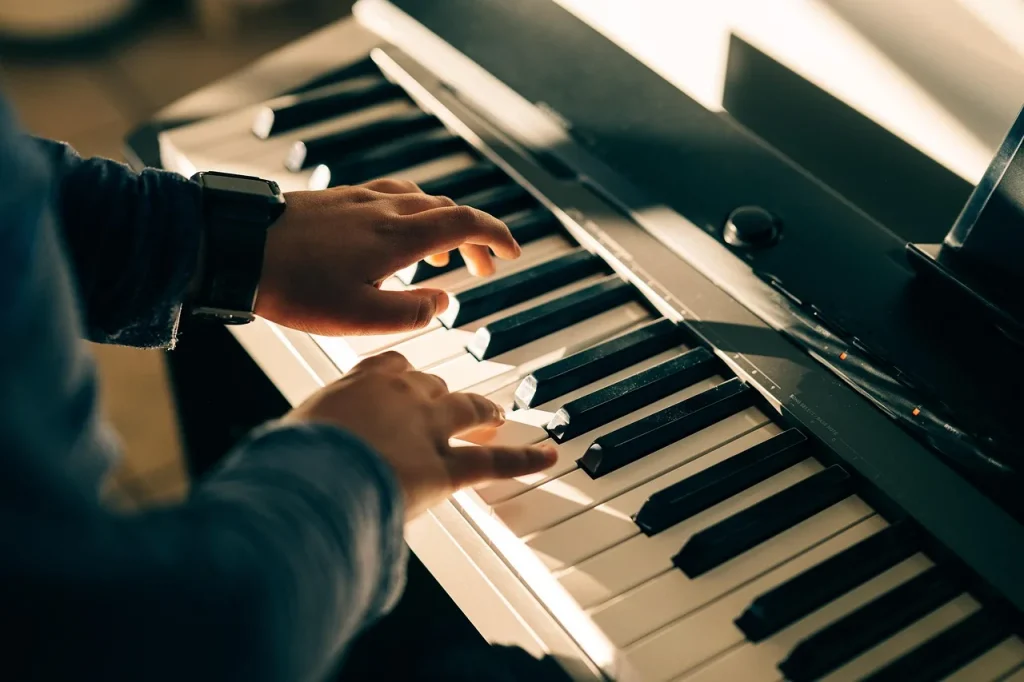
Welcome to our comprehensive buying guide, designed to help you find the ideal piano—the one that best suits your needs and budget. Choosing a piano can seem daunting given the many styles, brands, and models available. However, our buying guide will help you understand the various criteria to consider so that you can make an informed choice.
In this section, we will discuss the important criteria to consider before buying a piano. We will also give you some professional advice to help you find the perfect piano for your budget. With all this information, you will be able to make an informed decision about which type of piano to buy.
Choosing an Acoustic or Digital Piano
The choice between an acoustic piano and a digital piano is crucial for beginners and professional pianists alike. Although both types of piano have advantages and disadvantages, the final choice will depend on your goals, personal preferences, and budget.
Advantages and Disadvantages of Acoustic Pianos
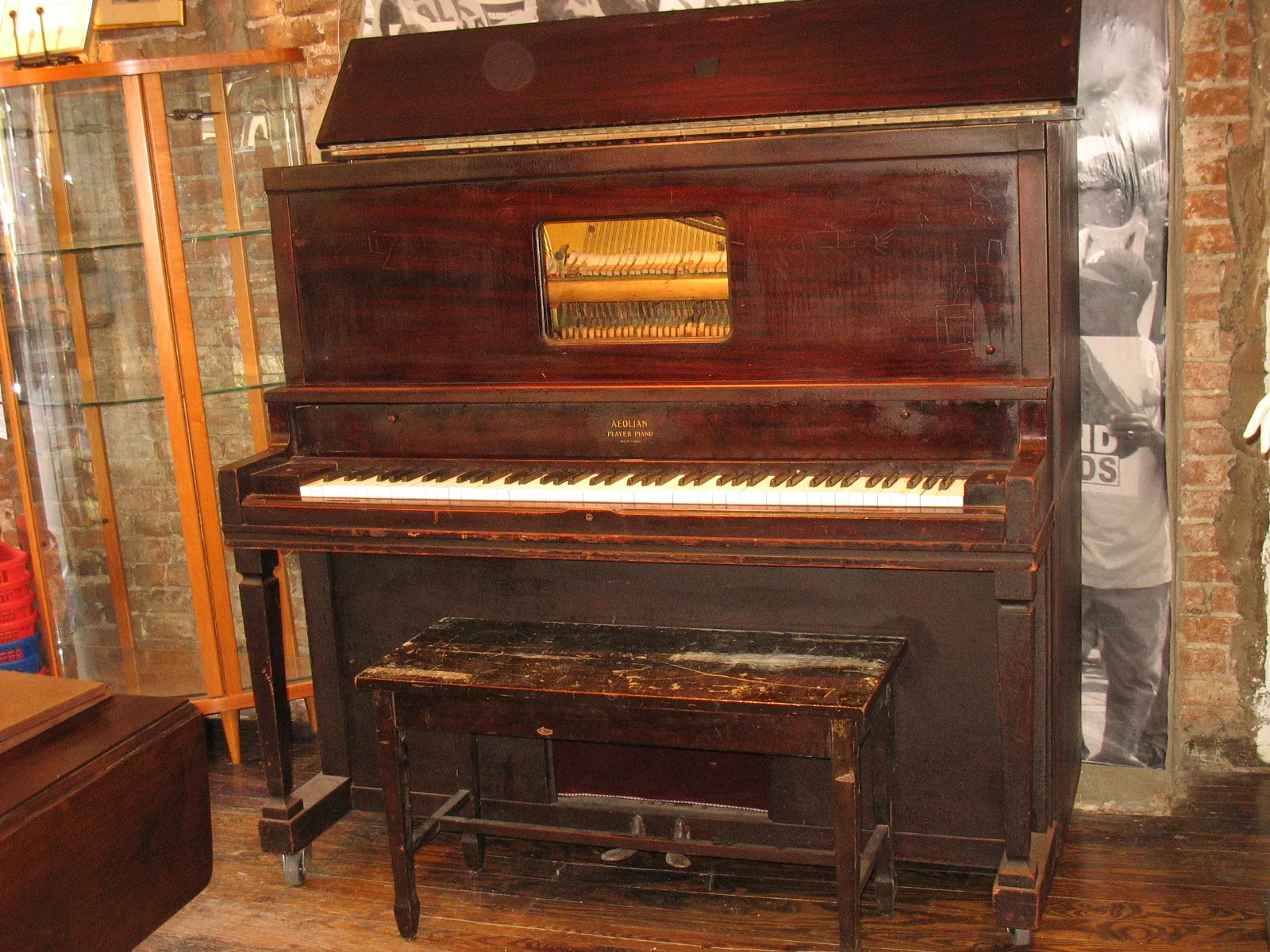
Acoustic pianos produce a natural, rich, warm sound thanks to their complex mechanism of hammers, strings, and resonators. They also offer a wider dynamic range and a more sensitive touch response, allowing pianists to exercise fine control over their playing.
However, acoustic pianos are expensive to buy and maintain. They also take up a great deal of space and can be sensitive to fluctuations in temperature and humidity, which may affect their tuning and resonance.
Advantages and Disadvantages of Digital Pianos
Digital pianos are more affordable and more compact than acoustic pianos. They also offer a range of sounds, effects, and additional features, including the option of playing with headphones for silent practice.
However, digital pianos do not produce the same natural, organic sound as acoustic pianos. Their touch response may also be different, which can make playing more difficult for some professional pianists.
It is important to note that technological advances have enabled digital pianos to come increasingly close to the sound and feel of an acoustic piano. Some professional pianists even choose high-end digital pianos because of their portability and ease of use while touring.
Ultimately, the choice between an acoustic piano and a digital piano will depend on your needs and personal preferences. Some pianists prefer the beauty and organic sound of a traditional acoustic piano, while others prioritize the ease of use and additional features of a modern digital piano.
Piano-Buying Criteria
When buying a piano, it is important to consider several criteria to find the one that best suits your needs. Here are the main criteria to consider:
| Criteria | Description |
|---|---|
| Sound quality | Sound quality is an essential criterion when buying a piano. Higher-quality pianos produce a richer, deeper, and more dynamic sound. |
| Action | A piano’s action determines the quality of the instrument’s response. High-end pianos have a more precise and responsive action. |
| Touch | A piano’s touch is also an important criterion. It determines how easily the keyboard’s keys can be pressed and how consistently they respond. |
| Size | The piano’s size should be chosen according to the space available in your house or apartment. Upright pianos take up less space than grand pianos. |
| Appearance | The piano’s appearance is another criterion to consider. Choose a piano that complements your interior décor and suits your personal taste. |
By keeping these criteria in mind, you will be able to choose the piano that best suits your needs and musical preferences.

Best Piano for a Beginner
Choosing the right piano as a beginner can seem difficult, especially if you are unfamiliar with the world of pianos. To make the task easier, we have selected some of the best pianos for beginners.
| Piano name | Features | Price |
|---|---|---|
| Casio PX-160 | 88 weighted keys, quality piano sounds, learning features | Approximately €500 |
| Yamaha P-45 | 88 weighted keys, quality piano sounds, compact and portable design | Approximately €500 |
| Kawai ES110 | 88 weighted keys, quality piano sounds, advanced learning features | Approximately €700 |
These pianos offer excellent sound quality and an authentic feel, which is essential for beginners seeking to develop their technique and musicality. They also include useful learning features to make studying and practicing easier.
Remember that it is important to consider your budget and personal needs before buying a piano. We also recommend visiting music stores or trying several pianos before making a final decision.

Section 5: Recommended Piano Brands
If you are looking for a quality piano, it is important to choose a reputable and reliable brand. Here are some of the most highly recommended brands on the market:
| Brand | Description |
|---|---|
| Yamaha | Yamaha is one of the most popular digital and acoustic piano brands. It offers a wide range of options for pianists of all levels. |
| Steinway & Sons | Based in New York, Steinway & Sons is a high-end acoustic piano brand known for its build quality and excellent sound. |
| Kawai | Based in Japan, Kawai is an acoustic and digital piano brand that emphasizes build quality and playing feel. |
| Roland | Roland is a brand that offers a wide range of digital pianos with innovative features for pianists of all levels. |
It is important to note that each brand has its own strengths and weaknesses and that you should try different models to find the one that best matches your preferences and needs.
Piano Budget: How to Find the Right Balance
When you are looking for a piano, your budget is an important factor to consider. It is essential to find the right balance between quality and price to avoid spending too much money or ending up with a poor-quality piano.
To find the ideal piano for your budget, here are some buying tips:
- Do your research: before buying a piano, research and compare the prices and features of the different pianos available. Take the time to read reviews and comments from other users to learn about their experience with the piano you are considering buying.
- Determine your needs: think about how you will use the piano. If you are a beginner, a simpler model may be sufficient, while experienced pianists may choose a more sophisticated model.
- Consider buying used: buying a used piano can be a good solution for people on a tighter budget. However, be sure to try it before buying it to check that it works properly and is in good condition.
- Evaluate rental options: if you are unsure whether you want to buy a piano, you could consider renting one for a set period. This can be a good option for beginners who are not yet certain about their commitment to the instrument.
By following these tips, you will be able to find the piano that best suits your budget. Remember that choosing a piano is an important decision that can influence your practice of the instrument for years. Therefore, take the time to do your research and find the piano that best meets your needs.
Conclusion
In this buying guide, we have examined the various criteria to consider when choosing the piano that best suits your needs. We have also looked at the advantages and disadvantages of acoustic and digital pianos, as well as the brands recommended for beginners and experienced pianists.
It is important to note that choosing a piano depends above all on your personal preferences and budget. It is therefore essential to take the time to try different models and consider all the criteria presented in this guide before making a final choice.
Professional Advice
Finally, we recommend that you do not overlook a piano’s sound quality, action, and touch. If you are a beginner or have a limited budget, choose a quality digital piano that will offer a playing experience and sound similar to those of an acoustic piano.
Lastly, remember that a piano is a long-term investment. It is therefore important to choose a model that will suit you for years to come and allow you to progress in your piano playing.
We hope that this buying guide has been helpful and that you will soon find the piano of your dreams. We wish you many hours of enjoyment and music!