
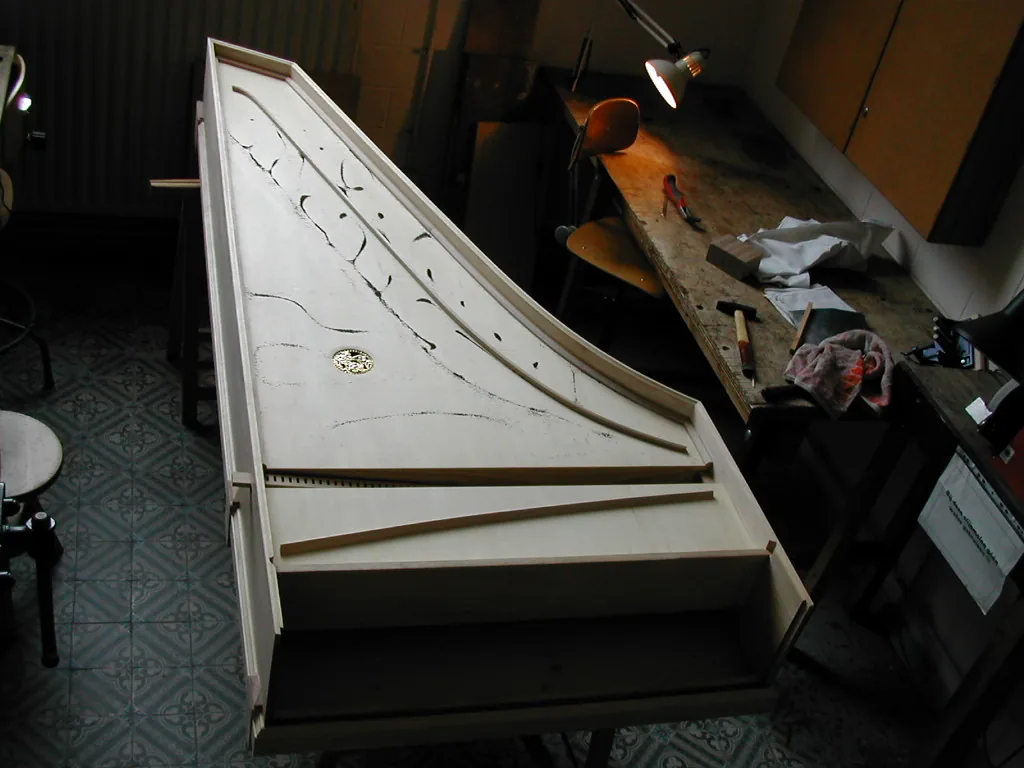
Dreaming of building your own instrument is an exciting adventure. Many people imagine watching an instrument take shape beneath their hands. This project combines practical craftsmanship with musical enjoyment.
Can I build a harpsichord successfully? The answer depends on your patience and practical skills. If you are wondering whether you can build a harpsichord, remember that following an exact plan is essential.
Every day spent building reveals the harpsichord’s complex mechanism. Thousands of instruments have been made worldwide by meticulous amateurs. Instruments from The Paris Workshop are used by conservatories and orchestras, demonstrating their quality.
The price of a kit remains an appealing argument, but the added value of personal craftsmanship is real. This page considers whether this approach is a false economy or an opportunity to obtain a unique instrument.
The historical development of the harpsichord kit
A small craft revolution began in New York in the 1960s. Wolfgang J. Zuckermann offered the first set of parts that allowed people to assemble an instrument themselves. This made instrument building accessible to curious amateurs.
The beginnings with Wolfgang J. Zuckermann
The original model was simple and educational. It offered a way to learn about the mechanism while mastering the craft of working with wood and the various parts. Many other instruments subsequently adopted this practical approach.
The transition to traditional models
In 1970, David J. Way took over production and steered the designs toward models inspired by Flemish and French instruments. In 1973, Marc Ducornet joined the venture and opened a workshop in Montreuil.
The Paris Workshop became a name synonymous with quality. The use of solid wood, wooden jacks, and traditional tuning pins significantly improved the instruments’ harmony and stability.
| Period | Initiative | Impact |
|---|---|---|
| 1960s | Zuckermann — first kit | Making instruments accessible to amateurs |
| 1970s | David J. Way — traditional models | Production more faithful to the originals |
| Since 1973 | Marc Ducornet and The Paris Workshop | Fine materials and worldwide distribution through agents |
Harpsichord kits: a good idea or false economy?
Building an instrument yourself requires an honest assessment of your practical skills and patience.
Zuckermann’s first kit cost around $150 in the 1960s, but some components had to be purchased separately. Although the price may seem attractive, you should also calculate the time required and the instrument’s final value.
Asking yourself “Can I build a harpsichord?” means committing to follow the plans meticulously. A mistake can prove costly in both materials and working hours.
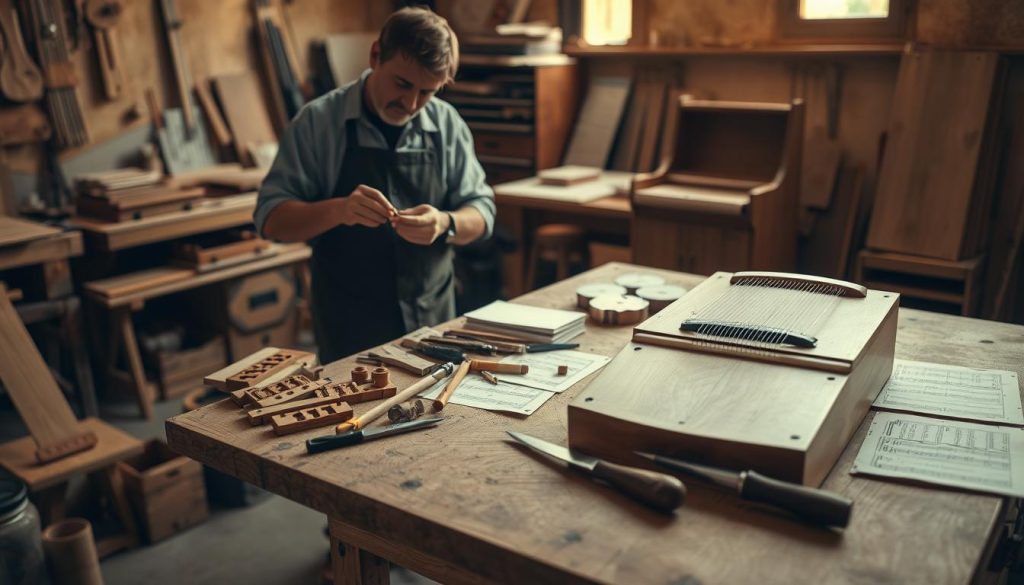
Good news: over the years, kits have become complete packages. They reduce the need to purchase parts separately and make construction easier for beginners.
- Every day spent refining the craftsmanship improves the sound.
- A well-assembled instrument can be resold to offset its price and the work invested in it.
- Following the instructions greatly reduces the risk of complete failure.
To explore the history and techniques in greater depth, read the history of the harpsichord and the Larousse entry.
Professional quality for amateur builders
The quality of the materials turns an amateur project into a concert-worthy instrument.
The importance of materials and technical experience
The Paris Workshop’s choice of solid wood ensures stability and tonal quality. This material reduces tuning fluctuations and extends the instrument’s lifespan.
With more than 25 years of experience, The Paris Workshop has streamlined production. Only simple tools are required: clamps, a screwdriver, and a drill are sufficient.
The parts are precisely machined, allowing clean assembly and a harmonious sound close to that of historical models.
- Professionals and instrument makers often use these sets and sometimes put their own name on the instrument after assembly.
- Agents around the world provide technical support to amateurs.
- The time invested produces a genuine sense of pride when the first notes sound.
| Advantage | Impact | Example |
|---|---|---|
| Solid wood | Acoustic stability | Fewer tuning adjustments |
| Minimal tools | Accessibility | Assembly at home |
| Precision manufacturing | Mechanical stability | Perfectly fitted parts |
Conclusion: should you embark on the adventure?
Assembling your own instrument turns a hands-on project into a profound musical experience. Price and labor matter, but the value often exceeds the sum of the parts. If you are wondering whether you can build a harpsichord, a carefully considered approach will pay off.
By following the advice of The Paris Workshop and choosing materials such as solid wood, you increase your chances of successfully building a durable instrument. Patience and care ensure a sound that lasts for years.
This page shows that building a harpsichord does more than save money on the purchase price. It is a gateway into the world of instrument makers and handmade instruments. Every day spent on the project brings pride and enjoyment.