
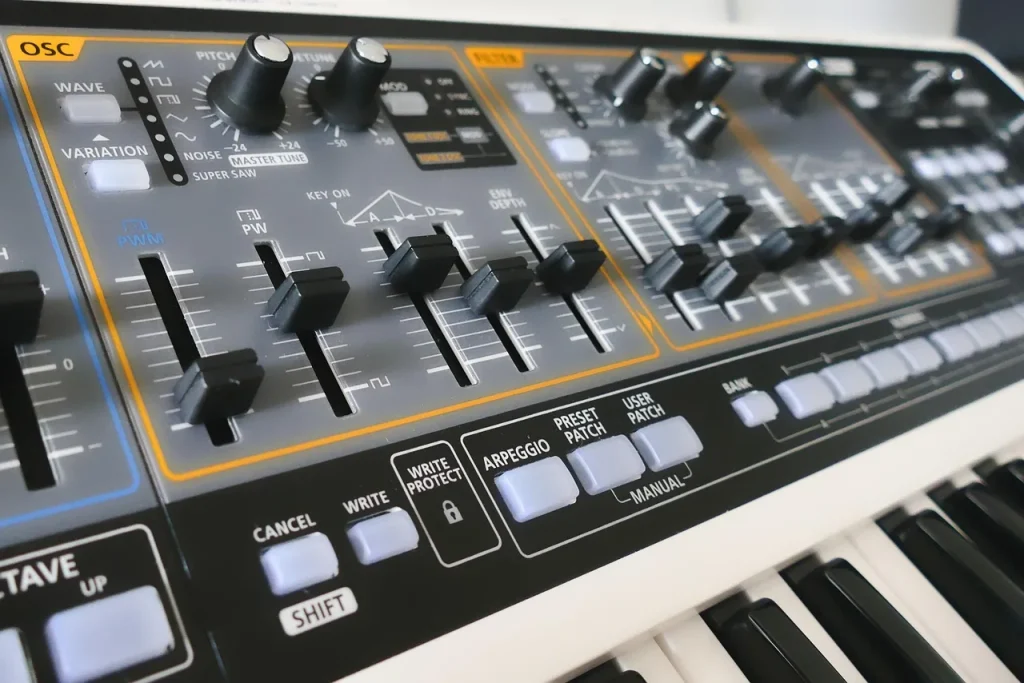
The synthesizer is an electronic musical instrument appreciated by musicians around the world. If you are an aspiring artist or a seasoned music producer, you may be wondering whether buying a synthesizer is worthwhile. Synthesizers can seem intimidating and complex, but they offer many benefits for music production.
In this article, we will guide you through the benefits of owning a synthesizer, explain how to choose the right model, and give you tips for getting the most out of it. We will also review the most reputable synthesizer brands and the financial considerations to take into account before buying.
Whether you are a beginner or an experienced musician, this synthesizer buying guide will help you make an informed decision about purchasing a new electronic musical instrument.
What Is a Synthesizer and How Does It Work?
A synthesizer is an electronic device used to create sounds. There are two types of synthesizers: analog synthesizers and digital synthesizers. Analog synthesizers work by manipulating electrical signals to produce sounds, while digital synthesizers use digital oscillators to create sounds.
Synthesizers consist of several components, such as oscillators to generate notes, filters to modify the timbre of sounds, envelopes to control the duration and intensity of notes, and effects modules to add sound effects and modulation effects.
Digital synthesizers offer the advantage of a wide variety of sounds and features. They are also easier to use and adjust than analog synthesizers, which can be more difficult to configure and control. Digital synthesizers also make it possible to record sequences of notes and create sound loops.
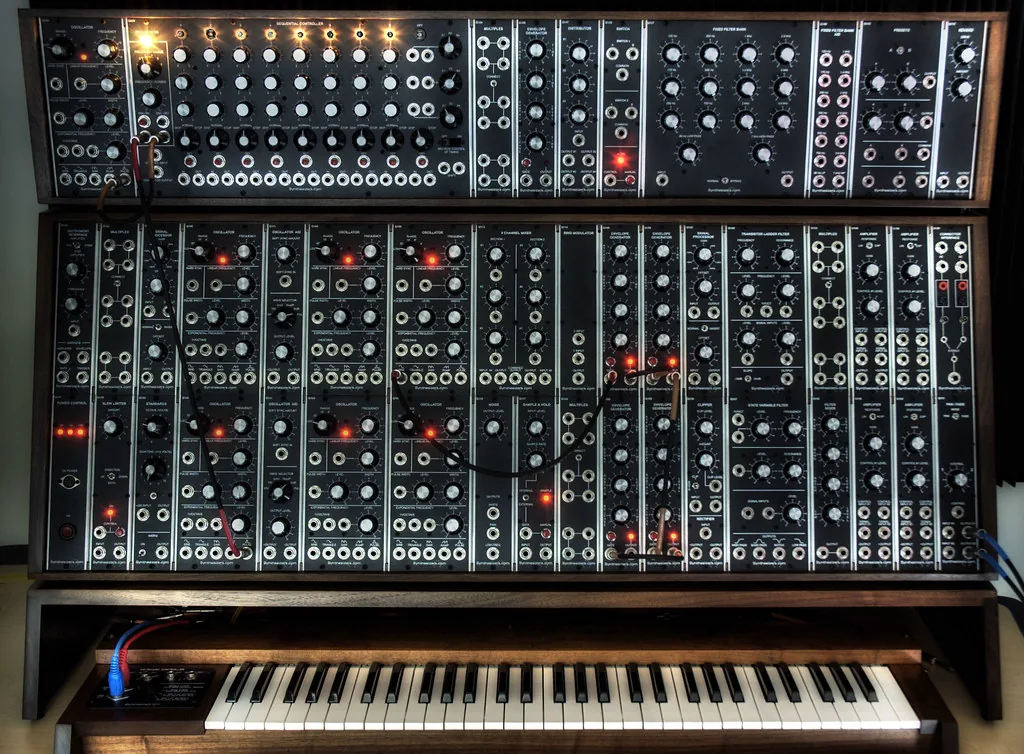
Analog synthesizers, meanwhile, offer a warmer, more organic sound quality, along with a certain unpredictability and instability in sound generation that can be harnessed during performances or music production.
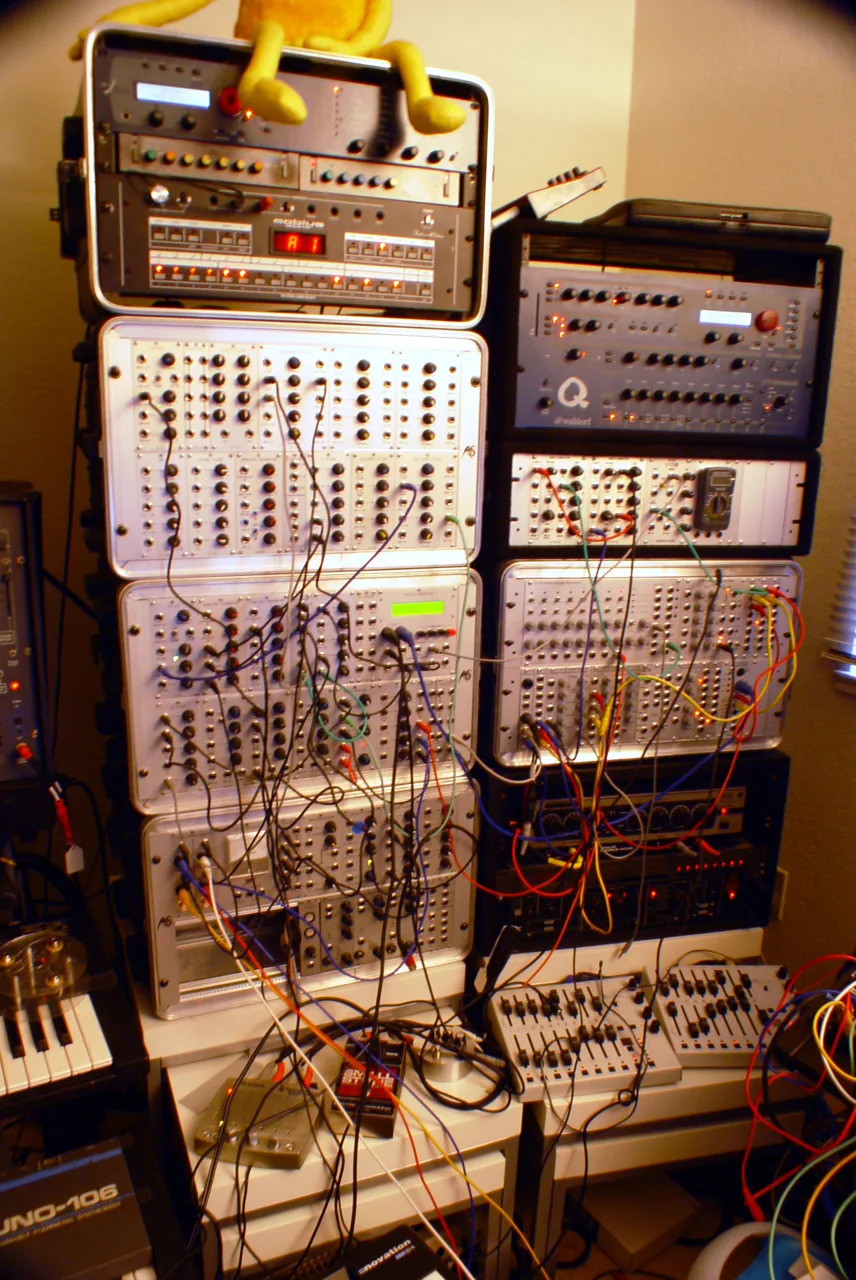
Synthesizers are tools of incredible power for musicians, offering the ability to create unique, innovative sounds and push the boundaries of electronic music.
The Benefits of Owning a Synthesizer
A music synthesizer is a versatile instrument that allows musicians to create a wide variety of unique sounds. In addition, using a synthesizer offers musicians many benefits, including:
- Unlimited creativity: synthesizers offer a wealth of features and settings for creating unique and original sounds, allowing musicians to express themselves freely and explore new sonic possibilities.
- Versatility: synthesizers can be used in a variety of musical genres, such as pop, electronic music, jazz, and classical music, giving musicians great flexibility.
- Simplified music production: synthesizers can be used to produce music more quickly and efficiently, allowing musicians to create professional-quality recordings.
- Collaboration opportunities: musicians who own a synthesizer can easily collaborate with other artists and producers using features such as MIDI connectivity.
For musicians seeking versatility and extensive creative freedom, buying a synthesizer can therefore be a wise choice that enriches their musical experience.
How to Choose the Right Synthesizer Model
Buying a synthesizer can be a significant investment for beginners and seasoned musicians alike. It is therefore essential to choose a model suited to your needs and budget. Here is a detailed guide to help you make the best choice of synthesizer.
Identify your needs and budget: before beginning your search, consider your needs and budget. Determine what you want to do with your synthesizer, the specific features you need, and how much you are willing to spend. This will help you narrow down the options and find the model that suits you best.
| Factors to consider when buying a synthesizer | Explanation |
|---|---|
| Brand | Reputable brands generally offer better quality and customer service than lesser-known brands. |
| Type of synthesizer | There are analog and digital synthesizers. Analog synthesizers are more expensive but offer a warmer, more organic sound, while digital synthesizers provide a wide variety of sounds and features. |
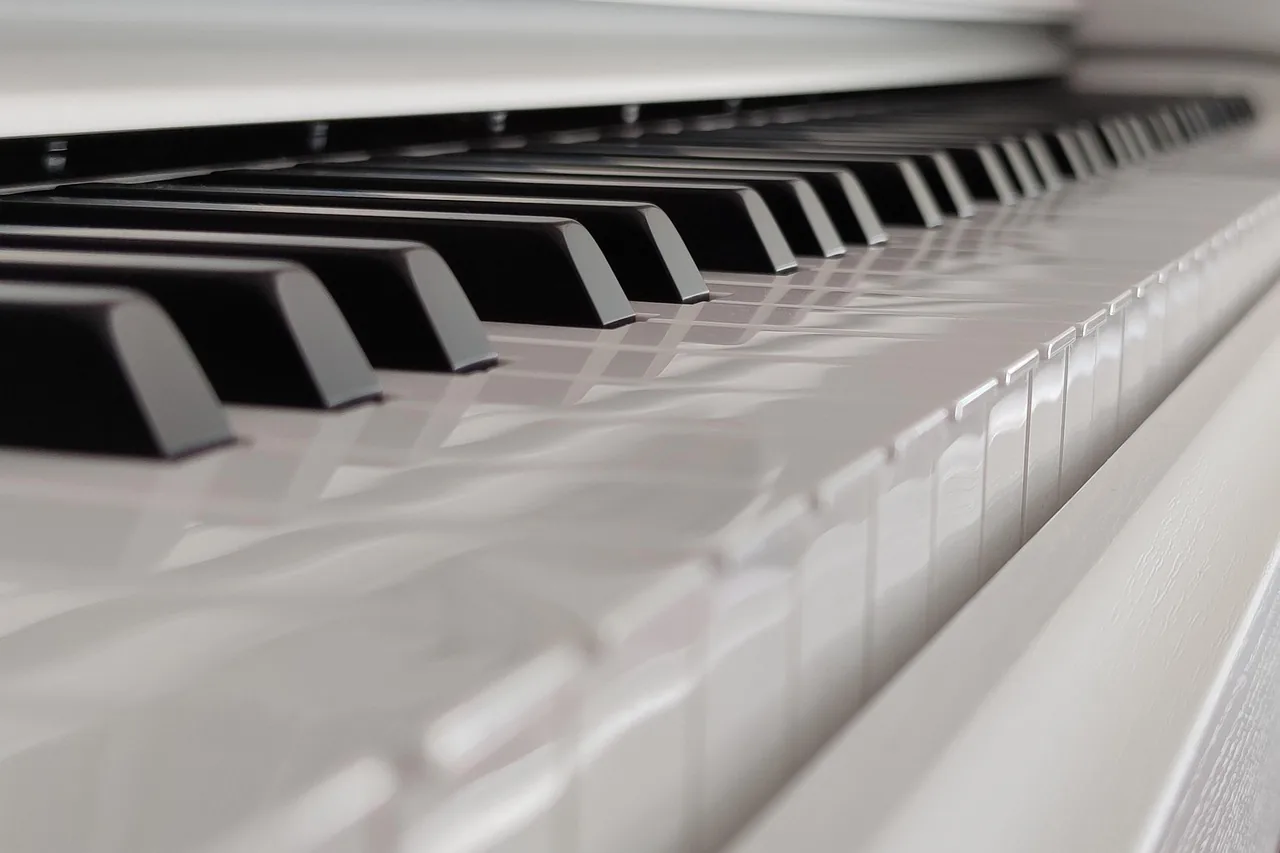
| Number of keys | The number of keys varies from one model to another. If you need a full-size keyboard, choose a model with 61 keys or more. If you want a more compact model, look for one with 25 or 37 keys. |
| Polyphony | Polyphony determines how many notes can be played simultaneously. If you play simple melodies, 8- or 16-note polyphony will be sufficient, but if you play complex chords, choose 32-note polyphony or more. |
| Connectivity | Check that the synthesizer has MIDI, USB, and audio inputs and outputs so that you can connect it to other devices, such as a computer or amplifier. |
Compare models: research and compare models that meet your needs and budget. Read reviews written by other users, watch online demonstrations, and listen to sound samples to get an idea of what each model can do.
Try before you buy: if possible, try the synthesizer before buying it. Check that the keys respond properly, the sounds are high quality, and the features meet your needs.
By keeping these factors in mind, you will be able to choose the synthesizer model best suited to your needs.
Reputable Synthesizer Brands
There are many synthesizer brands on the market, but some stand out for their quality, capacity for innovation, and longevity in the music world. Here are a few examples of reputable synthesizer brands:
| Brand | Description |
|---|---|
| Moog | Founded in 1953, Moog is an iconic brand of high-quality analog synthesizers used by many famous artists. Its synthesizers stand out for their warm, organic sound, durability, and original design. |
| Korg | Founded in 1962, Korg is a Japanese company specializing in the production of digital and analog synthesizers, workstations, and keyboards. Its products offer a wide variety of sounds and features suitable for every skill level. |
| Sequential | Founded in 1974 by Dave Smith, Sequential is an analog synthesizer brand renowned for its exceptional sound quality and elegant design. Its synthesizers are used by prominent artists around the world, such as Daft Punk and Radiohead. |
These brands are only a few examples among the many other options available, but they all offer excellent quality and reliability for anyone looking to embark on an electronic music adventure.
Financial Considerations and Synthesizer Prices
One of the main factors to consider when buying a synthesizer is its price. Prices vary depending on the synthesizer’s brand, model, and features. Entry-level models can cost less than €200, while high-end synthesizers can cost more than €2,000.
It is important to determine your budget before you begin looking for a synthesizer. This will help you narrow down your choices and find the model that best suits your needs and financial means.
In general, analog synthesizers cost more than digital synthesizers. However, analog synthesizers tend to produce warmer, more authentic sounds because of their electronic design. If you are looking for a vintage sound or need a warm sound for your music, an analog synthesizer may be a better choice, even if it is more expensive.
Other factors that affect synthesizer prices include additional features such as pads, controllers, effects, and connectivity options. It is important to determine which features you need before making a purchase so that you do not pay for unnecessary features.
Finally, used synthesizers can be found at affordable prices. However, it is important to exercise caution when buying a used synthesizer because its actual condition can be difficult to determine. Be sure to try it before buying it and check its maintenance and repair history.
Tips for Getting the Most Out of a Synthesizer
To get the most out of your synthesizer, here are some useful tips:
- Experiment with the knobs and controls to create unique and original sounds. Do not be intimidated by the various settings: they are the very essence of a synthesizer.
- Add effects such as reverb, chorus, or delay to give your sound creations depth and texture.
- Use the sequencer and arpeggiator functions to create complex rhythmic patterns.
- Connect your synthesizer to a computer and use music production software to record and edit your tracks easily.
- Remember to draw inspiration from the leading figures in electronic music to discover new ideas and sounds.
Finally, remember that creativity is the key to success in music. Let your imagination run free and explore all the possibilities your synthesizer offers.
Conclusion
In this article, we explored the reasons why you should consider buying a synthesizer. We provided a detailed guide to help musicians choose the right synthesizer model based on their budget, preferences, and desired features. We also discussed the benefits of having a synthesizer in your musical arsenal for creativity, experimentation, and music production.
We introduced reputable brands, enabling you to make an informed decision when choosing your synthesizer. We also covered financial considerations, including the factors that influence price and how to find the best value for money. Finally, we provided practical tips for optimizing how you use your synthesizer.
In short, buying a synthesizer can be an excellent investment for any musician. We hope this guide has helped you better understand the benefits of synthesizers and make an informed decision before making a purchase. We encourage you to explore the world of synthesizers and discover the possibilities they offer for music production.